


Sponsored Content
SICIT continues to advance its established collagen-derived peptides and amino acids platform while expanding its portfolio to include seaweed extracts and, most recently, moringa-based plant extracts. SICIT is strengthening its production presence across Latin America through two regional sites that combine local resources with the company’s industrial, analytical and agronomic expertise.
Peptides and amino acids: proven performance, advancing peptide science
Water deficit is one of the most immediate ways in which irregular rainfall translates into crop stress. It can disrupt plant metabolism well before visible damage appears: reduced cellular hydration may restrict nutrient mobility, limit photosynthetic activity and increase oxidative pressure. The plant must consequently redirect resources from growth towards defence while attempting to maintain cellular balance.
SICIT’s peptides and amino acids platform is designed to support several of these connected needs. Far from acting solely as a source of nutrition, collagen-derived peptides can influence physiological processes related to nutrient uptake, root development and stress response. Free amino acids complement this activity by providing readily available metabolic support. Naturally rich in glycine and proline, SICIT’s collagen-derived ingredients combine readily available amino acids with structurally distinctive peptides. In plant metabolism, proline is associated with osmotic adjustment and stress protection, while glycine is involved in the improvement on nitrogen metabolism, leaf growth, stress status and nutrition.
The platform’s agronomic use is supported by extensive field validation across crops and geographies. Peer-reviewed research on SICIT’s collagen-derived protein hydrolysates has further demonstrated their potential to support root development and plant responses under water-deficit, hypoxic and nutritional stress conditions. Moving beyond the hydrolysate, more recent studies are examining how specific peptides contribute to biological activity. Together, this body of evidence supports SICIT’s evolution towards next-generation peptide technology designed to deliver increasingly targeted agronomic responses.
Moringa: broadening the tools for crop resilience
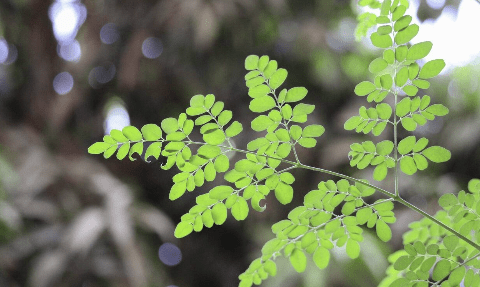
Moringa represents a complementary expression of SICIT’s innovation model, adding a distinct botanical bioactivity profile and new formulation possibilities to its peptides and amino acids and seaweed platforms. Moringa oleifera contains a complex combination of organic acids, polyphenols, flavonoids, amino-acid derivatives and natural phytohormones. SICIT has studied this profile for approximately a decade, developing patented extraction technology designed to preserve and recover its bioactive compounds consistently.
Water deficit is one of the first agronomic challenges for which the Moringa platform has been scientifically evaluated. In a peer-reviewed study published in Frontiers in Plant Science in March 2026, researchers from the University of Bari Aldo Moro and SICIT evaluated Moringa oleifera formulation through greenhouse cultivation, including tomato plants exposed to water deficit. The findings indicate that the formulation can support early development and help plants maintain physiological performance under drought conditions. Full trial design, analytical characterisation and results are available in the published paper.
For SICIT, Moringa therefore does more than add another natural ingredient. It demonstrates how the portfolio continues to evolve: identifying a promising raw material, understanding its biological profile, engineering the appropriate extraction process, validating its effects and then establishing direct industrial control.
Regional production and control from biomass to ingredient
Proximity is a central element of SICIT’s strategy because biological efficacy begins with the condition and consistency of the raw material. SICIT is strengthening its production presence across Latin America through two regional sites that combine local resources with the company’s industrial, analytical and agronomic expertise.
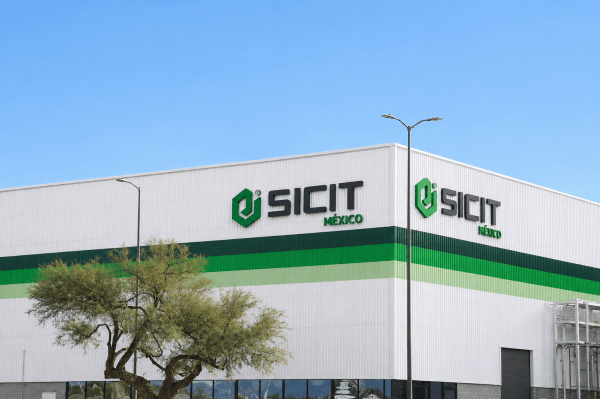
At the operational site in León, Guanajuato, Mexico, SICIT manufactures collagen-based biostimulant ingredients and manages the complete moringa process. Moringa is cultivated in dedicated areas close to the facility, with cultivation, harvest timing, extraction and quality control under SICIT’s direct oversight. Bringing biomass production and processing closer together supports traceability, control of raw-material condition and a tighter feedback loop between cultivation data, extraction parameters and agronomic performance.
In Chile, the wholly owned PatBio operation gives SICIT direct control of the seaweed process, from selected biomass to extraction. The platform includes Macrocystis pyrifera and Durvillaea antarctica, species that provide complementary opportunities related to osmoregulation, rooting, antioxidant response and hormonal balance.
SICIT does not position its portfolio as a catalogue of finished, one-size-fits-all products. It combines control of natural raw materials, dedicated extraction technologies and agronomic expertise to help customers develop differentiated solutions for specific crops, stresses and markets. Through formulation support, scientific and field validation, regulatory expertise and industrial scale-up, the company works as a development partner rather than simply an ingredient supplier.
As climate volatility increases, the value of a biological ingredient will depend less on broad generic claims and more on the quality of its raw material, the consistency of its production and its validation under relevant agronomic conditions. By combining scientific insight, direct oversight of natural raw materials and regional manufacturing, SICIT helps its partners translate these principles into differentiated, field-relevant solutions.
See New AG International’s e-book on Biocontrol & Biostimulants LATAM for article references.











 Facebook
 Twitter
 Instagram
 LinkedIn
 YouTube