


By Janet Kanters
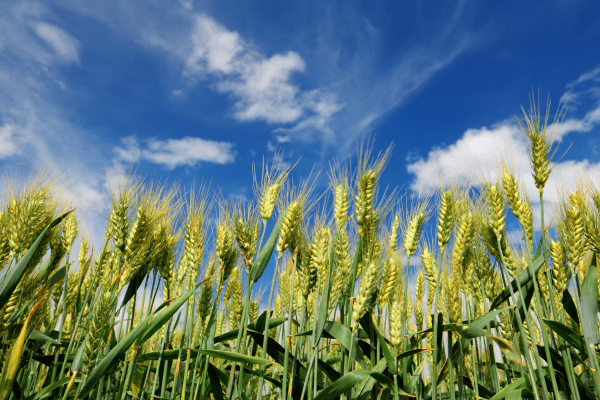
A new comprehensive review spanning 25 years of field-based research has shed light on the growing role of biostimulants in boosting wheat productivity, resilience and sustainability amid intensifying climate pressures.
The study, titled “Evaluating Wheat Response to Biostimulants: A 25-Year Review of Field-Based Research (2000–2024),” analyzes 222 scientific publications and offers a sweeping bibliometric analysis of global trends, collaborations and research evolution in the field.
Wheat, a staple food for more than half the world’s population, is under increasing threat from climate change, soil degradation and the rising demand for sustainable farming practices. And biostimulants are emerging as powerful tools to meet these challenges without relying heavily on chemical fertilizers.
According to the review, research on wheat’s response to biostimulants has grown at an average annual rate of 15.6 percent since 2000, with a sharp rise in the last five years. This surge is closely aligned with global policy shifts toward sustainable agriculture, such as the European Green Deal, the UN Food Systems Summit, and the FAO’s Sustainable Plant Production Framework.
The study reveals that Asia has been at the forefront of biostimulant research, contributing 59.4 percent of the global publication share. Asia not only leads in research output, but also in cumulative citations, accounting for 2,496 citation or nearly 41 percent of global totals. Countries like Pakistan, India and Egypt lead in output, while Saudi Arabia stands out for its high levels of international collaboration: 91.7 percent of its research involves cross-country efforts, and all its biostimulant studies are collaborative at the institutional level.
Europe follows with 18.1 percent of publications, while Africa, with 11.6 percent, has made notable strides in recent years, particularly in regions confronting food insecurity and climate stress. Meanwhile, North America, South America and Oceania lag in publication volume but are gradually showing more activity.
The review noted that Asia’s dominance is attributed to both its status as a top wheat-producing region and its pressing environmental challenges – including drought and heavy metal contamination – that drive innovation in sustainable farming techniques. Yet, despite high output, the international impact of research from Asia remains limited due to regional focus and publication barriers.
Shifting research priorities
The bibliometric analysis identifies a clear evolution in research priorities. Early studies emphasized traditional organic inputs like farmyard manure and microbial inoculants. Recent trends show a shift toward sophisticated formulations, such as silicon, seaweed extracts and microbial blends, targeting abiotic stress resilience, nutrient efficiency and yield optimization.
Despite these advancements, significant gaps remain. Most notably, studies tend to focus on single biostimulants, even though integrated formulations may offer superior performance. The long-term effects of biostimulants on soil microbial communities and nutrient cycling are also underexplored, with most trials limited to one or two growing seasons.
The review noted that there’s also a lack of standardized application protocols. Dosages, timing and delivery methods vary widely across studies, making comparisons difficult. This variability underscores the need for harmonized research guidelines tailored to specific climates, soils and wheat genotypes.
The review also calls for more research into the economic viability of biostimulant use, particularly for smallholder farmers in climate-vulnerable regions. While biostimulants can reduce dependency on costly chemical fertilizers, their affordability, accessibility and integration into national agricultural policies remain key hurdles.
“The adoption of biostimulants is not just a scientific issue – it’s a socio-economic and political one,” the study notes.
The future of wheat biostimulant research
Looking forward, the review posited that research needs to pivot from “experimental diversity” to “actionable insights”. Integrated studies that assess multiple biostimulants in combination, under diverse field conditions, and across longer timelines are essential, the review stated. Understanding the interaction between biostimulants and the soil microbiome could lead to next-generation products tailored for specific agroecological zones.
Further, research should include socio-economic factors – cost, accessibility and farmer adoption – especially in regions vulnerable to food insecurity. Collaborative frameworks, such as international consortia and open-access data platforms, could also help bridge regional gaps in research and dissemination.
The review concludes with a call for multi-year, multi-location studies to assess the long-term sustainability of biostimulant use, not just for wheat productivity but for ecosystem health.
Key Takeaways
• Research boom: A 15.6 percent annual growth in studies on wheat and biostimulants from 2000 to 2024.
• Asia leads: With nearly 60 percent of publications and major institutional contributions from Pakistan, India and Egypt.
• Environmental edge: Biostimulants improve wheat’s resistance to drought, salinity and nutrient stress.
• Challenges ahead: Combined applications, economic viability and standardized usage remain underexplored.
This article first appeared in the JUNE/JULY 2025 issue of New AG International. Read for free, here.
The upcoming Biostimulants World Congress, 1-4 December, Barcelona will be showcasing the latest research on biostimulants along with a full-day of workshops before the conference and exhibition. Benefit from early booking, here.








 Facebook
 Twitter
 Instagram
 LinkedIn
 YouTube