


By Leonardo Gottems
A new seed treatment technology emerging from Portugal is demonstrating how marine resources, microbiology, and seed-applied innovations can converge to improve pasture productivity and sustainability. Portuguese seed specialist Fertiprado and the innovation centre InnovPlantProtect (InPP) have jointly developed a biological seed coating derived from marine algae that enhances nodulation in legumes, promotes early plant growth, improves stress tolerance, and boosts forage nutritional quality.
The technology, currently undergoing patent registration, is the result of five years of collaborative research conducted under Portugal’s Blue Bioeconomy Pact, a national innovation program supported by the country’s Recovery and Resilience Plan (PRR).
Marine Biology Meets Seed Technology
While the exact composition of the formulation remains confidential due to the ongoing patent process, researchers indicate that the technology relies on bioactive compounds naturally present in marine algae, including polysaccharides, osmoprotectants, micronutrients, and plant-growth-promoting substances.
Applied directly to the seed surface, the coating creates a biologically active microenvironment around the emerging root system.
One of the most significant outcomes observed during development was enhanced nodulation in legume species. The mechanism involves stimulating chemical signaling between plant roots and nitrogen-fixing bacteria, thereby accelerating symbiosis and improving biological nitrogen fixation.
The technology also promotes greater root hair development, increasing opportunities for microbial colonization and nutrient uptake during the earliest growth stages.
Researchers involved in the project report that the algae-derived compounds help reduce abiotic stress during establishment, particularly under drought and other environmental constraints commonly affecting Mediterranean production systems.
The CEO of InPP, António Saraiva, states that the results represent “the practical application of the research carried out”. “It is with enormous satisfaction that we see one of our research lines producing practical results. I do not doubt that this product will meet the needs of many producers and will contribute to our associate Fertiprado, strengthening its innovative side, making it even more competitive in the national market and in exports. We work every day to make this happen, and this is the first example from our pipeline under development,” he says.
For Fertiprado, the new product, which aims to be an effective alternative to conventional seed coatings based on synthetic products, “also reflects the work of the R&D teams at Fertiprado and InPP, whose collaboration has been crucial in transforming scientific knowledge into innovation with practical utility. We intend to maintain a firm commitment to developing differentiating solutions for the sector,” emphasizes Pedro Viterbo, manager of Fertiprado.
Supporting More Resilient Pastures
The innovation was specifically designed for biodiversity-rich pasture and forage systems, an area where Fertiprado has established a strong reputation over the past three decades.
Founded in 1990, the company became known for developing seed mixtures adapted to Mediterranean environments, particularly blends rich in legumes capable of naturally fixing atmospheric nitrogen.
The new coating technology builds on that legacy by enhancing the performance of those biological processes.
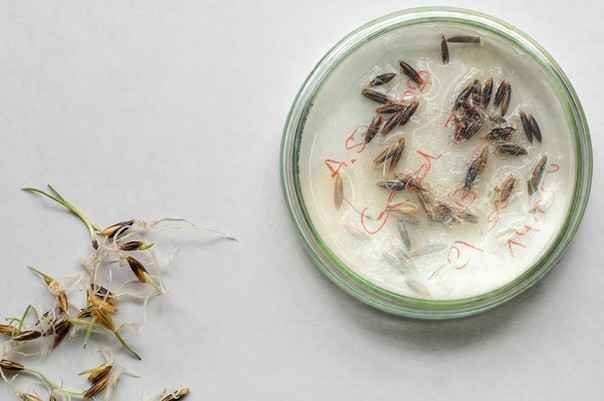
According to project developers, the biological film acts not only as a delivery platform for bioactive compounds but also as a protective matrix that helps retain moisture around the seed and supports the survival of beneficial microorganisms during germination.
The result is a more vigorous crop establishment process and potentially greater biomass production, forage quality, and resilience throughout the growing season.
Blue Bioeconomy Creates New Agricultural Value Chains
Beyond its agronomic benefits, the project highlights the growing role of marine resources in agricultural innovation. The technology emerged from the Blue Bioeconomy Pact, an initiative aimed at transforming marine biological resources into high-value products for multiple industries, including agriculture.
This approach aligns with one of the largest segments of the biologicals market: seaweed-based biostimulants. Industry analysts note that biological seed treatments represent one of the most promising delivery mechanisms for these technologies, enabling precise application and maximizing efficiency from the moment germination begins.
From Research to Commercial Scale
The commercialization potential of the innovation is strengthened by Fertiprado’s ongoing investment in a new inoculation and seed-processing facility in Elvas, Alentejo region, in Portugal. The new industrial unit is being equipped with advanced inoculation and pelleting systems designed to apply biological products, microbial inoculants, biostimulants, and other value-added technologies directly onto seeds.
This infrastructure could provide an immediate pathway for scaling the algae-based coating from research to commercial production. António Saraiva concludes by emphasizing the market potential of the technology, stating that it is expected to strengthen Fertiprado’s innovation profile and competitiveness in both domestic and export markets.











 Facebook
 Twitter
 Instagram
 LinkedIn
 YouTube