


By Janet Kanters
A partnership between Brazilian startup BiotecBlue and Federal University of São Paulo (Unifesp) is developing a microalgae-based biostimulant using treated waste from breweries and aquaculture operations, aiming to provide farmers with a lower-cost alternative to conventional fertilizers.
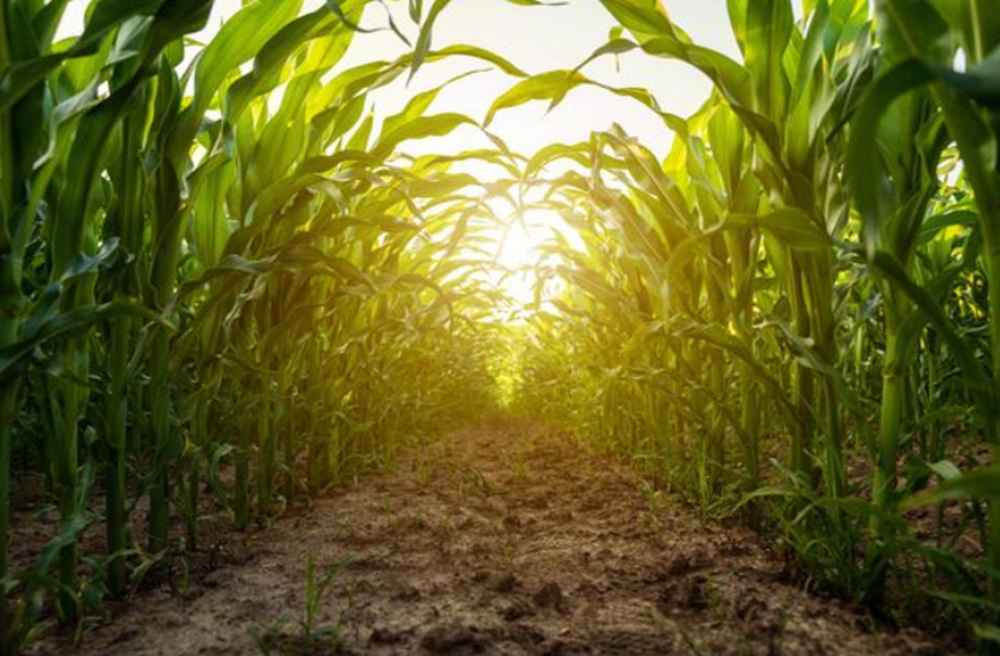
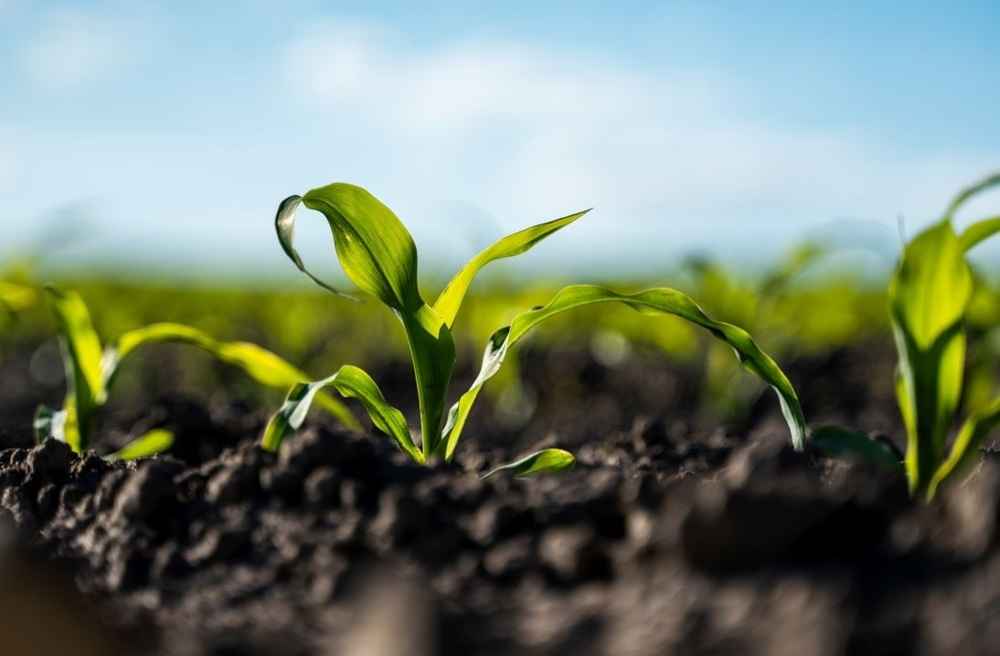
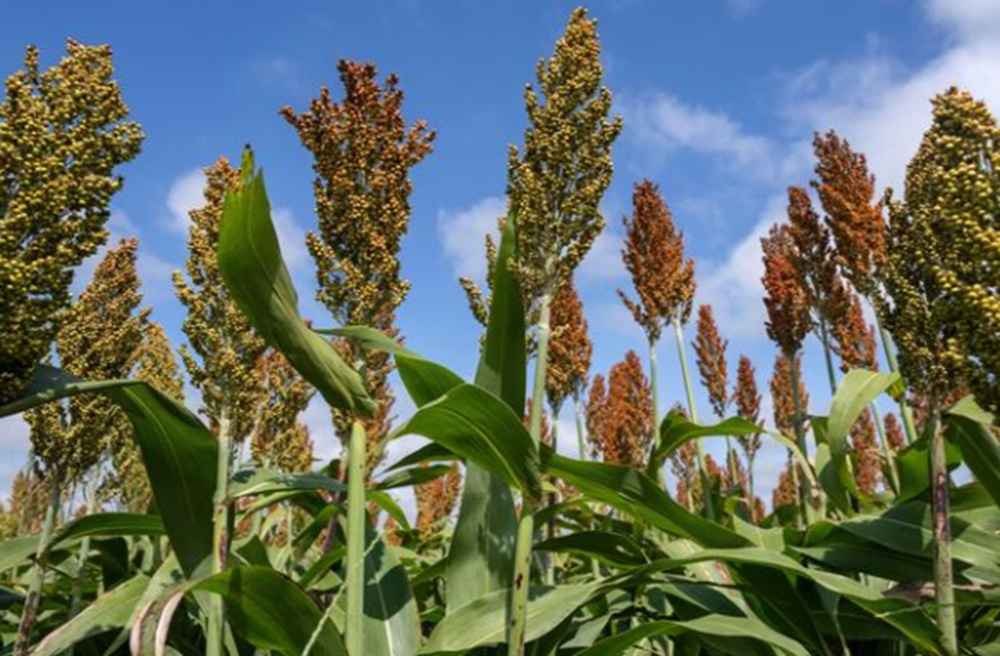
The project, supported by the Innovative Research in Small Businesses Program of the São Paulo Research Foundation (FAPESP), uses treated effluents from beer production and tilapia and shrimp farming to cultivate microalgae. The resulting biomass is concentrated into a bio-input now being tested in corn, banana, vegetable, and coffee crops in the Brazilian states of São Paulo and Minas Gerais.
Researchers say the process addresses two challenges at once: reducing waste pollution and lowering agriculture’s dependence on imported fertilizers.
Typically, waste from craft breweries and aquaculture operations is discharged into sewer systems or waterways. These effluents contain nitrogen, phosphorus, and carbohydrates that can trigger eutrophication in rivers and lakes, leading to excessive algae growth and oxygen depletion.
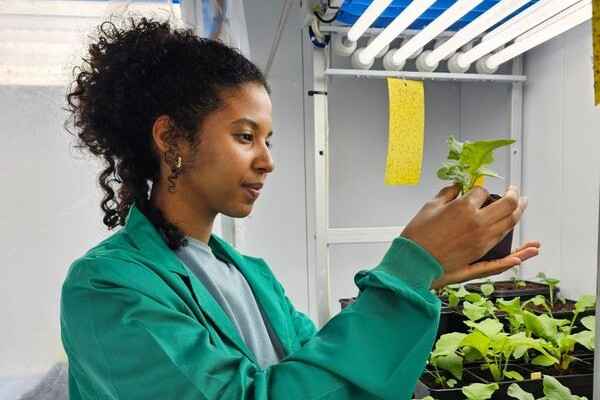
Chemical engineer Danielle Maass of Unifesp said the project instead uses those nutrients in a controlled cultivation process.
“The water left over after cultivation has few nutrients, meaning it can already be returned to the river or to a production process,” Maass said.
The project initially relied on waste from shrimp and tilapia production, where researchers found the microalgae developed well and contained higher nutrient concentrations than algae grown in synthetic laboratory media. When the fish farm supplying the waste shut down, the team turned to brewery waste streams.
“We tested waste from beer production, and the material showed nutritional characteristics similar to those of aquaculture, such as carbon, nitrogen, and phosphorus,” said Maass.
She added that breweries also offer a more practical supply chain.
“Today there are many small and medium-sized craft breweries. It is much easier to obtain this waste than that from fish farming,” she said.
According to the researchers, one distinguishing feature of the project is that it uses real industrial waste rather than laboratory-simulated effluents.
“Many researchers try to emulate the waste with compounds of interest in the correct quantities, but it’s not the same thing. Real waste has a huge variety of compounds that can either help or hinder the process,” Maass explained.
The microalgae biomass is rich in protein and beta-carotene, a natural antioxidant. Researchers say it could also be reused as a feed supplement in aquaculture production.
“They can even be reintroduced into the production chain as a feed supplement for fish and shrimp,” said Maass.
The algae cultivation process may also offer environmental benefits beyond waste reduction. During growth, the microalgae capture carbon dioxide through photosynthesis, potentially creating opportunities in carbon credit markets.
The project entered a scale-up phase in 2024, with the team currently sizing equipment for a 100-litre pilot system. Early crop trials have shown positive results.
According to Maass, researchers have observed improvements in leaf development and soil health in field testing.
The team also believes the product could help reduce fertilizer costs for growers.
“With a small dose we have a large effect and, based on the gross cost analysis we conducted, the product is in fact cheaper,” Maass said.
Brazil imports more than 85 per cent of the fertilizers it consumes domestically, spending about US$25 billion annually, according to the National Association for the Diffusion of Fertilizers (Anda). The country’s National Fertilizer Plan aims to reduce external dependence by 50 per cent by 2050.
Maass said wider adoption of biotechnology could help support that goal.
“Biotechnological processes take a little longer to develop, but once they are ready, they are much more sustainable than physical or chemical processes,” she said.









 Facebook
 Twitter
 Instagram
 LinkedIn
 YouTube