

Sponsored Content
There’s no doubt about the potential of biologicals in agriculture – but delivering consistent results in the field is a challenge in itself. As biologicals move from niche applications towards broader adoption, formulation science is emerging as a critical differentiator in determining whether these natural solutions can perform at the scale that modern agriculture demands.
The growing role of biologicals in crop protection
Alongside increasing environmental, regulatory, and health concerns, the agricultural industry is under pressure to produce more using fewer resources. These conditions are reshaping the crop protection landscape, with a growing interest in alternatives to more conventional, synthetic pesticides, including biological solutions derived from microorganisms, plant extracts, and biochemicals.
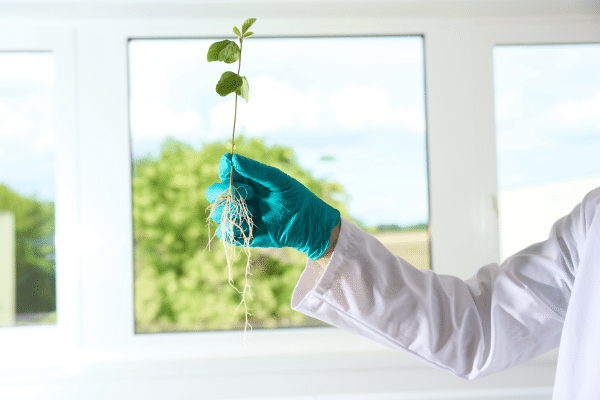
Biologicals offer several advantages. Aligning with the principles of regenerative agriculture, their targeted modes of action include reducing resistance development and minimizing off-target impact. They meet the market need for residue-free, organic food – and they’re safer to handle. As a more natural and less invasive approach to crop protection, they’re perceived as one of the more promising tools for sustainable agriculture.
But market potential isn’t the only factor that determines adoption – for farmers, performance remains key.
The challenge in scaling biologicals
Synthetic solutions are – and will likely remain – key players within the agricultural industry. However, if biologicals aim to gain a larger market share, they will need to perform reliably across diverse environmental conditions, all while fitting seamlessly into existing farming practices.
This poses a challenge, as many biologicals are living organisms whose viability is affected by temperature, humidity, storage conditions, and other environmental factors – impacting both transportation and application modes. A product that requires highly specific storage or handling conditions automatically makes itself less marketable to farmers. Plus, they’re often required to educate themselves further when choosing to adopt biologicals within a broader crop programme, due to the specific complexities and requirements that are present during application.
Despite these challenges being the main driver for innovation across the sector, if biologicals are to meet industry expectations, the main question shouldn’t be how to identify the right biologically active ingredients, but instead, how to formulate them so that they consistently demonstrate the desired properties for a large-scale market.
Formulation as an enabler of growth
Formulation science is rapidly becoming a key differentiator in the biologicals market. Through the right formulation, an active ingredient remains stable during storage, survives handling and application, effectively reaches its target, and achieves its full potential in the field. Formulations mainly work as enablers – if biologicals aren’t properly formulated, they won’t be as effective.
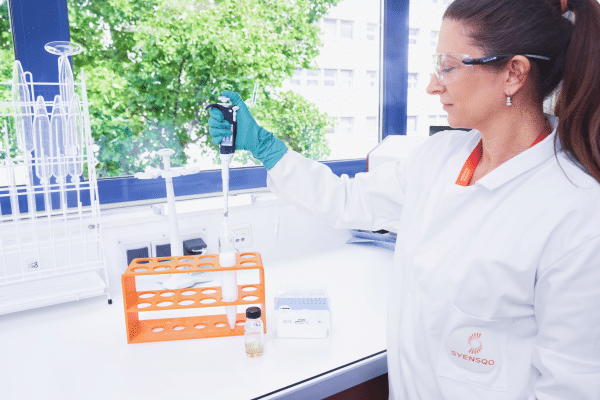
For example, in the case of microbial-based formulations, these are available in both liquid and solid forms, combining microbial actives, secondary metabolites (in some applications), and inert ingredients designed to create stable, homogeneous, and user-friendly products. Selecting the right co-formulants is critical: they must provide the required application properties without negatively impacting the viability of beneficial microorganisms.
At Syensqo, several formulation technologies are being developed to bridge the performance gap to make biologicals fully performant on an industrial level. Its AgRHEA® range provides a broad selection of formulation ingredients, including dispersants, emulsifiers, and wetting agents compatible with biological actives, as well as ingredients designed to address specific biological challenges such as shelf-life extension for the most sensitive actives, rainfastness, and UV protection. The portfolio covers different active ingredients, formulation types, and application methods, including foliar, seed treatment, and in-furrow. It also includes biobased solutions and ingredients authorized for use in organic farming.
But Syensqo’s approach goes beyond formulation ingredients by providing
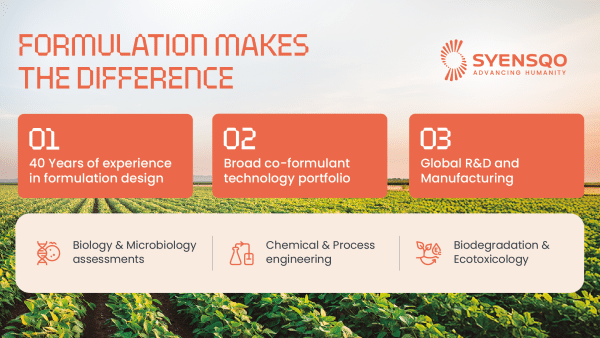
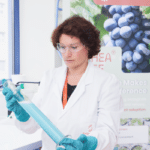
in-house testing capabilities to assess further development of biological solutions. This includes microbiology expertise to assess biologicals’ shelf life, laboratory testing to demonstrate the efficacy of a formulation’s ability to inhibit pathogens through antagonism, as well as screening for rainfastness and UV protection.
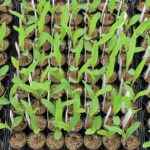
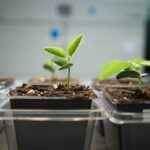
Through its Seed Care Center, Syensqo supports the development of biological seed treatments with various performance assessments such as germination rate and radicle length testing. With over 40 years of experience in developing high-performance formulation aids and adjuvants for crop protection, Syensqo positions co-formulants as critical components of product efficacy, instead of simply as supporting ingredients.
As biologicals gradually shift towards broader commercial adoption, formulation will increasingly determine whether biological technologies can meet the practical requirements of modern agricultural practices. After all, the ability to formulate, stabilize, and consistently deliver a biological under real-life conditions could be the key to turning promising innovations into commercially viable, widely adopted solutions. Combining formulation science with rigorous testing and product-focused innovation can help reduce development risk, accelerate time-to-market, and unlock the full potential of biological crop protection at scale.








 Facebook
 Twitter
 Instagram
 LinkedIn
 YouTube