

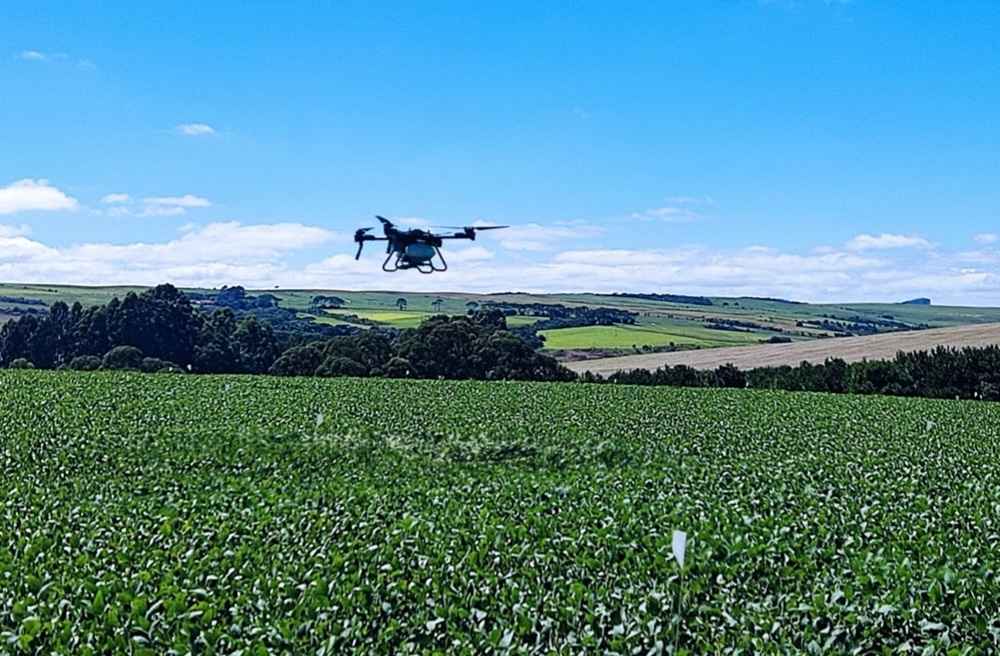
Rovensa Next is collaborating with the Université de Technologie de Compiègne (UTC) on the FAUVE project, an initiative aimed at improving agricultural practices through drone spraying and ultra-low-volume application technologies. The project focuses on making crop treatments more efficient, sustainable, and profitable for farmers.
Early trials have shown significant improvements in spray precision, including up to a 57 percent reduction in wind drift and a 63 percent decrease in fine droplets during herbicide applications. These advancements help reduce water use, minimize environmental impact, and improve the effectiveness of crop treatments.
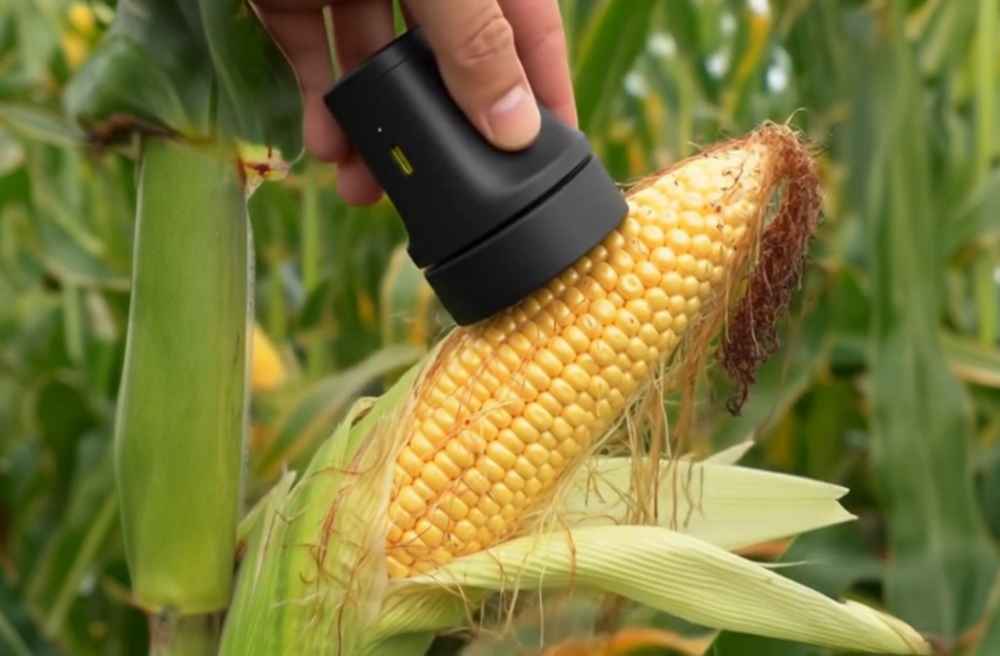
The FAUVE project, which runs from January 2024 to July 2026, is supported by the Hauts-de-France Region and involves field trials in France and Brazil. In France, the research is focused on vineyards and banana crops, while in Brazil, large-scale crops like soybeans and corn are being studied. The trials aim to optimize drone spraying by analyzing factors such as droplet size, coverage, and application volume.
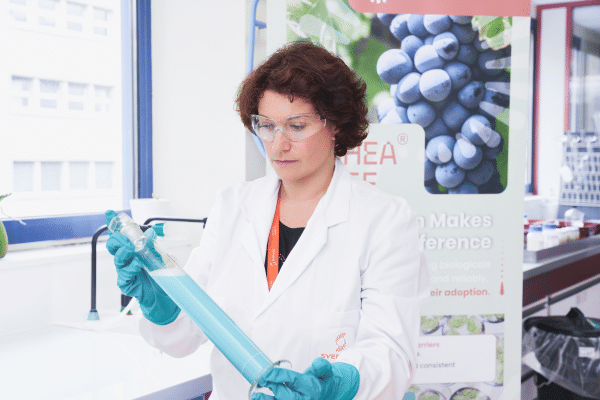
Rovensa Next is also exploring innovative solutions like Natural Deep Eutectic Solvents (NADES), plant-based biodegradable mixtures that enhance spray performance without the need for surfactants. These adjuvants improve penetration, reduce drift, and support more sustainable farming practices.
“We want to see how these next-generation adjuvants behave, how they spread and cover the leaf, so growers can minimize water use and inputs while maintaining performance. In some cases, even improving it,” says Cédric Ernenwein, Global R&D Product Design Manager at Rovensa Next. “Drone spraying applications are proving to be critical in this goal.”
The research is already delivering promising results, with new adjuvant formulations showing improved spray stability and reduced environmental impact. Rovensa Next plans to expand these solutions globally, helping farmers adapt to regulatory and environmental challenges while promoting integrated and regenerative farming practices.













 Facebook
 Twitter
 Instagram
 LinkedIn
 YouTube