



SPECIAL TO NEW AG INTERNATIONAL
By Janet Kanters
GreenLight Biosciences is working with the support of the Mexican government to raise and invest up to US$100 million to establish an RNA-based crop protection manufacturing facility in the Mexico City metropolitan area, creating what the company says will be the world’s first commercial-scale production site for an RNA biofungicide.
The investment, expected to range from US$50 million to US$100 million, is projected to create up to 500 related jobs in the community. The facility will initially manufacture two products, with GreenLight Bio planning to expand its portfolio to additional RNA-based crop protection products.
The company, founded by Mexican scientist and CEO Andrey Zarur, said Mexico was selected after more than a decade of research and field testing in Mexico and approximately 20 other countries. Mexican regulatory authorities approved the company’s first RNA biofungicide, Oifirax, in nine months, according to GreenLight Bio.
Targeted crop protection
GreenLight Bio’s technology uses RNA sequences designed to prevent the production of proteins essential to the survival or reproduction of a particular pest or pathogen.

Once absorbed by the target organism, GreenLight Bio’s RNA stops the production of the targeted protein, ultimately causing the pest or pathogen to die. Zarur said the specificity of the approach is a key distinction from conventional crop protection chemistry.
“What differentiates our approach from conventional chemical pesticides is precision,” he said. RNA products are designed to control specific pests or diseases while minimizing effects on beneficial and other non-target organisms and avoiding persistent residues in soil, water or crops.
At the same time, the products are developed and designed to fit into existing crop protection programs. Zarur said growers can use GreenLight Bio’s RNA products much as they would other crop protection products, including alongside other active ingredients.
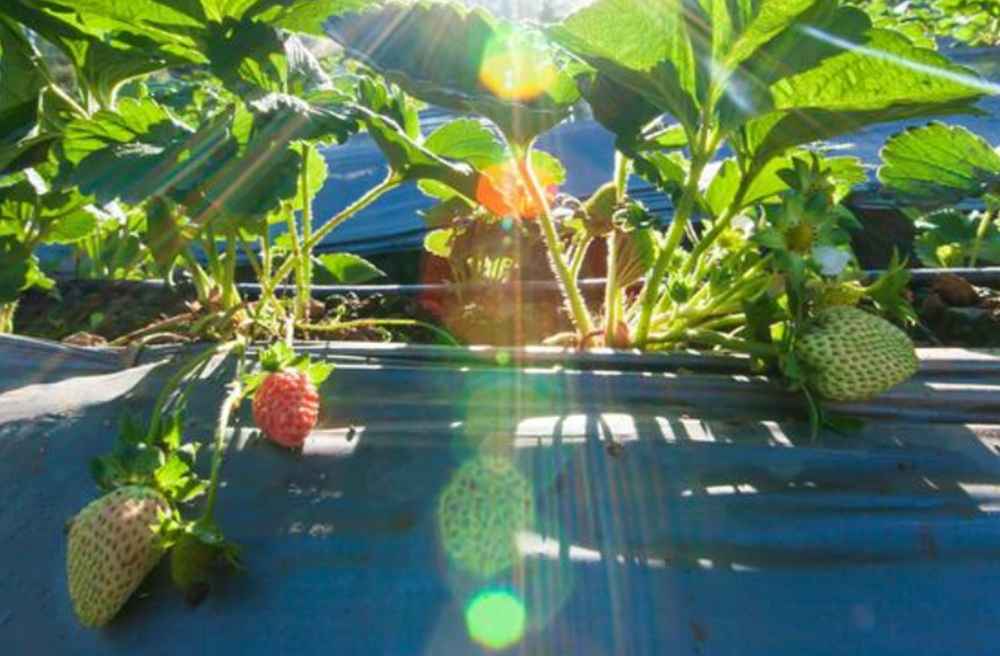
The first product, Oifirax, targets powdery mildew in crops including grapes, strawberries and cucumbers. GreenLight Bio estimates the disease causes roughly 10 billion pesos (US$589 million) in annual crop losses in Mexico. The product is already being used on grapes in Baja California.
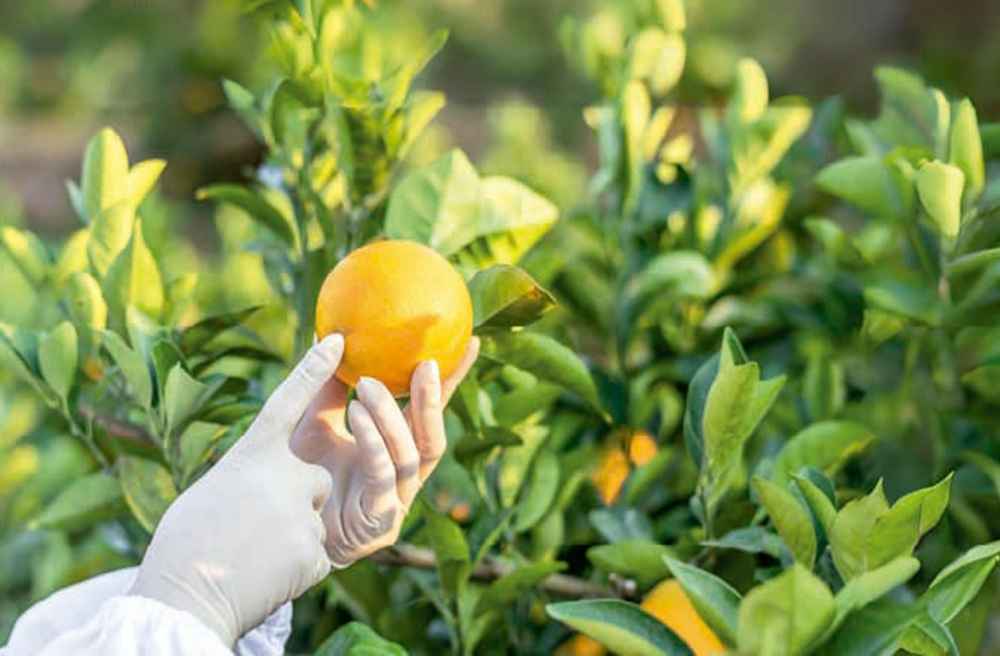
The company is also awaiting on the approval of DarkMite, an acaricide that targets spider mites, which can cause significant losses in crops such as avocados, strawberries and citrus. GreenLight Bio estimates mite damage costs Mexico’s agricultural sector about 20 billion pesos (approximately US$1.17 billion) annually.
According to Zarur, field trials have shown consistently high efficacy against powdery mildew at commercial application rates. In commercial grape production, he said, the product has provided control comparable with conventional chemical programs.
“These results have given us confidence that the technology can deliver both strong performance and reliability for growers, while providing improved human health and environmental profiles,” Zarur said.
Manufacturing platform
The Mexico project is intended to be more than a production plant for the company’s initial products. GreenLight Bio hopes to build an integrated operation covering large-scale RNA production, formulation, testing and packaging, along with export capabilities.
The company has not yet finalized the plant’s production capacity or disclosed its location or construction timeline. However, Zarur said GreenLight would like the Mexico facility to match or exceed the potential capacity of its existing Rochester, New York, operation, which can be expanded to produce up to 50 metric tons of RNA annually.
Scalability is central to the planned facility, he said, with the infrastructure intended to accommodate additional products as they receive regulatory approvals.
“Because the site is being developed as an integrated platform encompassing large-scale production and export capabilities, we believe it can become a regional and potentially global manufacturing hub,” Zarur said.
The company has not announced a firm date for the facility to begin operations. Before commercial production starts, GreenLight Bio will need to complete site identification, development, engineering and construction, install and validate manufacturing equipment, recruit and train employees, scale up production processes and establish regulatory and quality systems.
Building biotechnology capacity
GreenLight Bio expects the facility to require expertise ranging from molecular biology and bioprocess engineering to formulation, analytical testing, quality assurance, regulatory affairs and manufacturing.
Zarur said the investment could also help expand Mexico’s biotechnology capabilities by creating high-skilled employment and opportunities to work with universities, research institutions and other life-sciences organizations.
“Beyond creating approximately 500 related jobs, it will help build local expertise in advanced biological manufacturing,” he said.
Mexico’s agricultural market was another factor behind the investment, according to Zarur. The country has a substantial production base for high-value crops that were central to GreenLight Bio’s product development, while its location provides access to markets across the Americas.
The company also views Mexico as a potential export base. As additional RNA products gain approval in other countries, the facility could supply markets beyond Mexico, supporting GreenLight Bio’s longer-term plans to commercialize a broader range of RNA-based crop protection products.
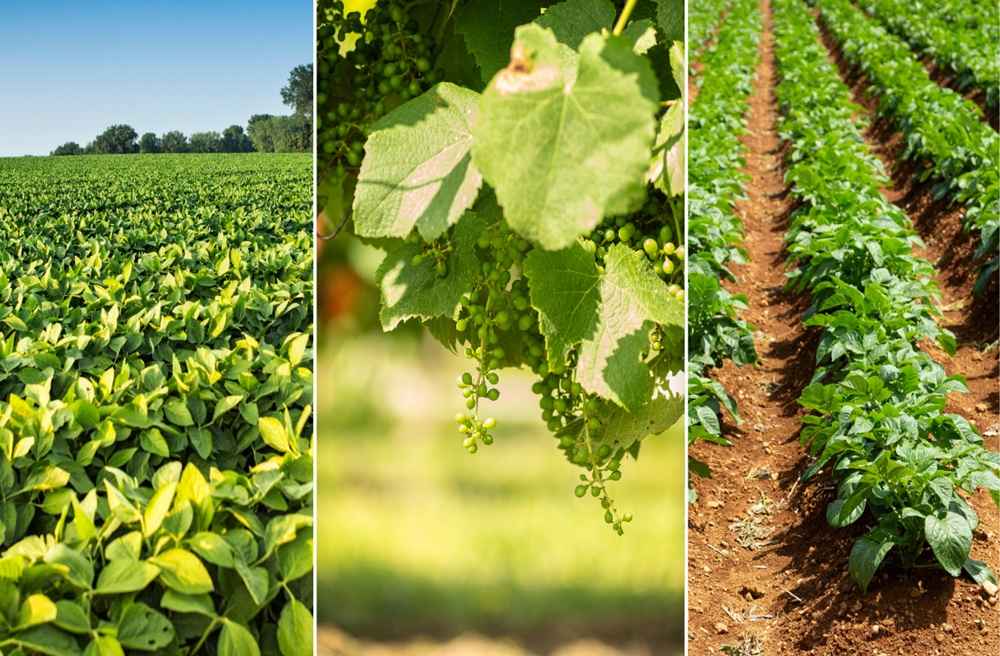
The company says its pipeline could eventually include a full range of products aimed at pests and diseases affecting crops ranging from fruit and vegetables to row crops.












 Facebook
 Twitter
 Instagram
 LinkedIn
 YouTube