

By Janet Kanters
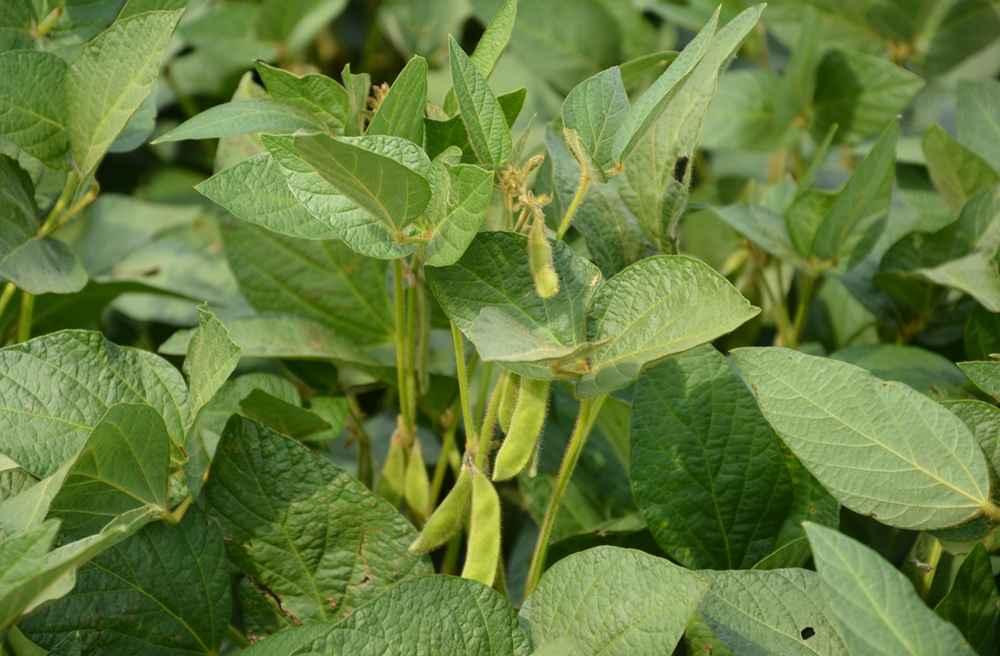
Bayer and Brazilian biotech company IdeeLab Biotecnologia have signed a research and development agreement to co-develop a biological fungicide targeting foliar diseases in soybeans and other crops. The partnership is part of Bayer’s broader plan to launch 17 new biological products in Latin America by 2030.
The agreement marks Bayer’s first open-innovation initiative focused exclusively on Latin American agricultural needs. The companies will work together throughout the development process, from technology validation and efficacy trials to commercial market introduction.
The research will focus on a next-generation biofungicide designed to address foliar disease challenges in tropical agriculture, with potential applications in soybeans and other crops.
Antônio Soares, head of biologicals for Bayer Latin America, said the partnership combines Bayer’s global capabilities with local biotechnology expertise to accelerate the development of solutions suited to regional production conditions.
“Brazil has led global biological adoption over the past five years, fueling momentum across all of Latin America,” Soares said in a news release. He added that the agreement reflects Bayer’s commitment to developing products specifically for the complexities of tropical agriculture.
The partnership comes as Bayer expands its biologicals business in the region, introducing a new umbrella brand, Biológicos Bayer (Bayer Biologicals), to bring its biological crop protection and crop performance products under one portfolio.
The company plans to introduce 17 new products across Latin America by 2030, including eight in Brazil, while also expanding the crop registrations of existing products.
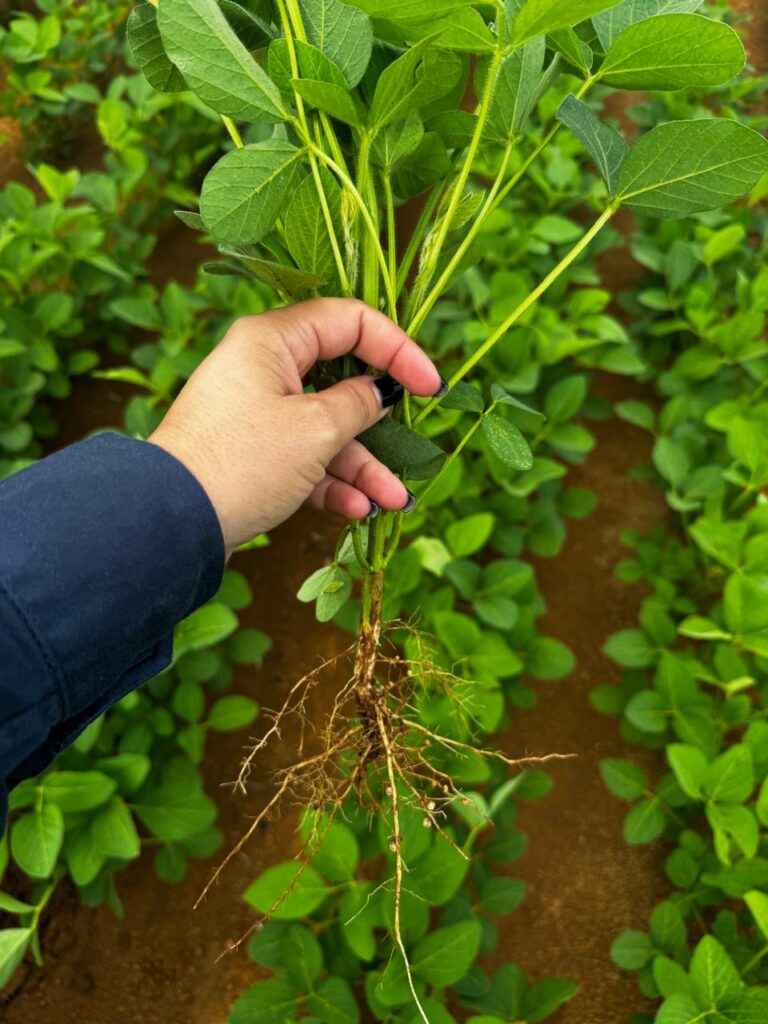
The portfolio will be organized around two main areas: biological control, including bioinsecticides, biofungicides and bionematicides; and crop performance, with products intended to support plant physiology and soil health and improve crop resilience to environmental stresses such as drought, salinity and high temperatures.
Bayer’s first product under the new brand is Curvet, scheduled for introduction ahead of the 2026-27 soybean season in Brazil. Developed using technology from U.S.-based Sound Agriculture, the product contains plant-derived polyflavonoids that support signalling between plants and beneficial soil microorganisms. The formulation is designed to improve the uptake and use of nitrogen and phosphorus already present in the soil.
Trials conducted by Bayer and Sound Agriculture, together with independent agricultural consultants, covered 114 locations in eight Brazilian states over four crop cycles. The trials recorded an average soybean yield increase of three 60-kilogram bags per hectare.
Bayer sees biologicals as an increasingly important part of integrated crop management, combining biological and conventional crop protection products to improve pest and disease control and help crops withstand environmental stresses.
“Our ambition is not only to participate in this market, but to contribute to its evolution and scale the adoption of biologicals, supporting more productive and regenerative agricultural systems,” Soares said.
Luis Offa, senior vice-president of crop protection and biologicals for Bayer Latin America, said the region is positioned for strong growth in biologicals, with Brazil leading adoption and integration of biological and chemical inputs in broadacre crops. Fruit and vegetable production in Chile, Mexico and Peru is also contributing to demand.
Offa said climate-related pressures are increasing the need for technologies that help protect crop yield potential throughout the growing season. Bayer’s approach is to combine genetics, biotechnology, crop protection and digital tools, supported by annual global research and development investment of €2 billion (US$2.2 billion).
The agreement with IdeeLab adds a locally focused research component to that strategy, as Bayer looks to develop biological products for the specific disease pressures and growing conditions of Latin American agriculture.









 Facebook
 Twitter
 Instagram
 LinkedIn
 YouTube