

By Janet Kanters
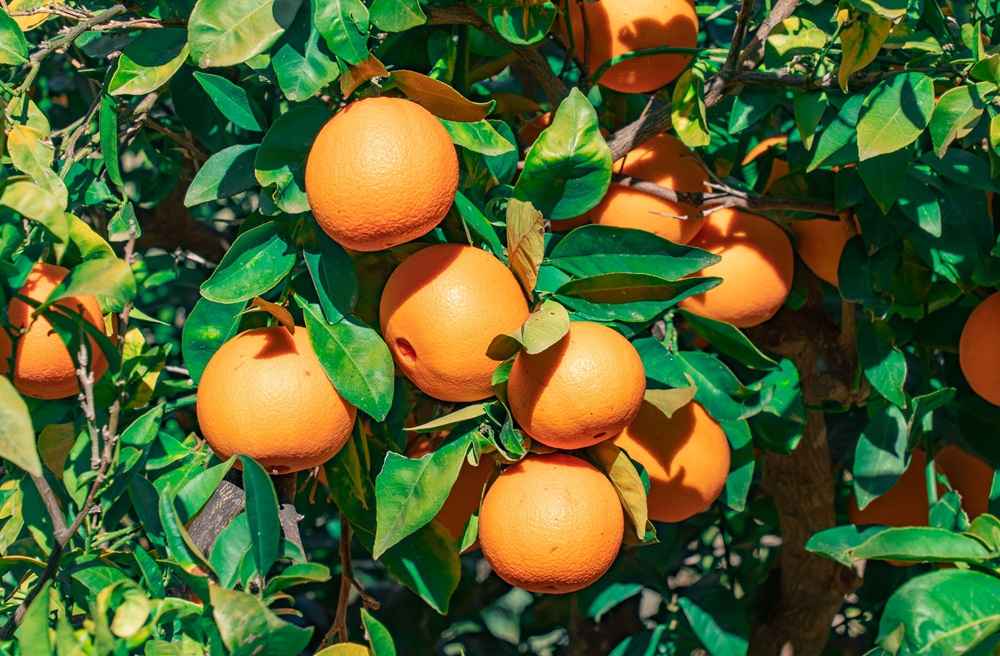
U.S. biotechnology company T3BioScience has begun field trials in Brazil to evaluate its microbial biocontrol product RejuAgro against citrus greening, a disease responsible for significant production losses in citrus-growing regions worldwide.
The company received a Special Temporary Registration in October 2026, allowing trials at four sites across Brazil’s major citrus-producing regions of São Paulo, northern Paraná and Minas Gerais. The trials began in October and will continue through harvest in the second half of 2027.
Also known as Huanglongbing (HLB), citrus greening is caused by the bacteria Candidatus Liberibacter asiaticus (CLas) and related species, which are spread by the Asian citrus psyllid. The disease causes premature fruit drop and declining yields.
The threat is particularly significant in Brazil, the world’s largest producer and exporter of orange juice. According to a 2026 survey by Fundecitrus, HLB affected an estimated 48 per cent of orange trees in the São Paulo and Triângulo/Sudoeste Mineiro citrus belt.
RejuAgro is based on a naturally occurring compound produced by a soil-derived Pseudomonas species. Its approach combines direct antimicrobial activity with activation of plants’ natural defence responses and mitigation of oxidative stress caused by CLas infection.

T3 said the product has demonstrated activity against a range of bacterial, fungal and oomycete plant pathogens.
“Our Florida-based HLB trials have shown strong results, and these new trials will help T3 confirm how RejuAgro’s results hold up under Brazilian citrus conditions and disease pressure,” said Dr. Ching-Hong Yang, the product’s discoverer, distinguished professor at the University of Wisconsin-Milwaukee and chief scientific officer of T3BioScience.
Yang said developing an effective biological option for HLB management is a priority in Brazil, where growers and the agricultural industry have already established significant experience with biological products.
In multi-year Florida field trials, foliar applications of RejuAgro reduced HLB severity by 51.6 to 70.6 per cent at very low application rates.
Separate trunk-injection trials conducted by the University of Florida, alongside an industry-standard treatment, showed reductions in CLas levels, lower fruit drop and maintained yields, according to T3.
The Brazilian trials will help determine whether those results can be replicated under different growing conditions and disease pressures.
RejuAgro is the first product developed through T3’s proprietary PROMISA discovery platform. The company has completed the environmental toxicity testing required by the U.S. Environmental Protection Agency (EPA) and expects to submit the product for registration in late 2026.
T3 received a U.S. patent for the technology in 2023, followed by its first patent outside the United States in Taiwan earlier this year.
Beyond citrus, the company is targeting apples, walnuts, grapes and strawberries for future applications.
T3 is also preparing to introduce RejuPrime, a biostimulant developed through the PROMISA platform, in the United States and Brazil as early as 2027. The product is designed to support plant growth and yield under environmental stresses, including drought and salinity.









 Facebook
 Twitter
 Instagram
 LinkedIn
 YouTube