


By Janet Kanters
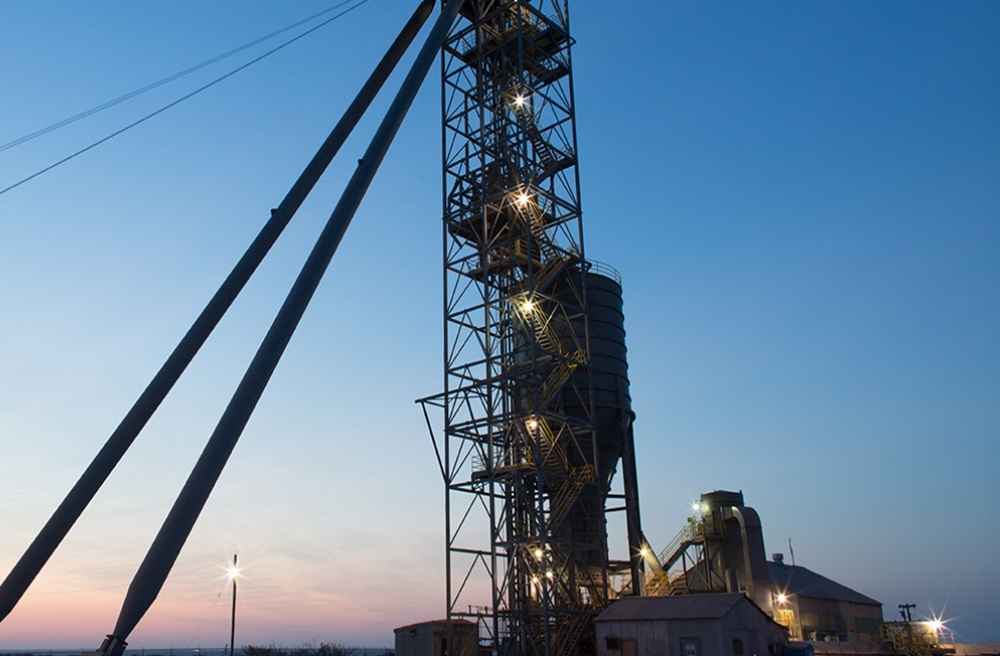
International Minerals Carlsbad, Inc. (IMC) has completed its acquisition of Mosaic Potash Carlsbad, Inc., taking ownership of the Carlsbad, New Mexico potash mine, associated water rights and the Laguna Grande assets as it looks to expand production of specialty fertilizer products K-Mag® and Dynamate®.
The transaction closes a deal first announced by The Mosaic Company in December 2025. Under the agreement, IMC acquired Mosaic’s langbeinite and water business in New Mexico, including the K-Mag and Dynamate brands, for $30 million. The deal included a $20 million payment at closing, with an additional $10 million to be paid in three annual installments beginning in 2029. IMC also assumed liabilities associated with the mine, mill and Laguna Grande operations.

“The closing of this acquisition marks an important milestone for our company and for the future of potash production in New Mexico,” said Sergio Saenz, chief executive officer of IMC. “We are proud to assume stewardship of this historic operation and are committed to building on its strong legacy while investing in its long-term growth and sustainability.”
IMC said its immediate focus will be on supplying langbeinite fertilizer to North American and international markets. Marketed as K-Mag, langbeinite is a sulfate of potash magnesia fertilizer used on chloride-sensitive crops, magnesium-deficient soils and high-value crops.
According to Saenz, the company’s familiarity with the Carlsbad basin and the operation played a major role in the approach to the acquisition.
“There are unrealized salt, potassium and water assets which we believe will provide additional revenue streams beyond our core fertilizer assets. These additional opportunities all support the valuation we placed on the assets.”
Kelvin Feist, commercial management consultant with IMC, said the business’s strategy centers on the specialty fertilizer business.

“We believe the specialty potash market can be significantly bigger than it is today. Reliable supply of these products is critical to ensuring customers know they will have the product available for their [farmer] customer.”
To support that goal, IMC plans to increase production and invest heavily in the operation. Feist said production has declined in recent years but could return to historical levels.
“Over the past five years we’ve seen a significant decline in the production levels at the site. We believe through thoughtful capital spend and employee support we can become a more reliable supplier and increase our production levels back to historical levels.
“Historically the site has produced greater than 700K tonnes per year. Over the next two years our expectation is that this is an achievable target,” he added.
The company expects to spend more than $20 million annually on capital improvements over the next five years, including the recent purchase of a new mining machine for underground operations.
“Our plan is to double the previous capital expenditures at the site. We have identified and prioritized a list of key capital items that need to be done to increase production volumes,” Feist said.
IMC also plans to expand its market reach while maintaining existing customer relationships.
“We intend to continue supporting our existing customers and relationships. In addition, we are having meaningful discussions with many new partners to further develop new sales channels in both animal feed and fertilizer,” Feist said. “We know the market potential is significantly bigger and being a reliable supplier will allow us to fulfill those markets.”
The acquisition comes amid increased attention on domestic mineral production in the United States. In late 2025, potash was added to the federal government’s critical minerals list, a move IMC believes underscores the importance of domestic fertilizer production.
“We have gotten tremendous feedback from our customer base regarding supporting the specialty potash market and growing the KMag and Dynamate portfolios. Markets have been underserved and lower production rates have impacted the supply of our products for several years,” Feist said.
“The U.S. government recently announced potash was added to the critical minerals list. This aligns our product with key needs across the agriculture section.”
Saenz said the company sees long-term opportunities for the operation and the region.
“New Mexico has been home to potash mining for more than a century,” he said. “We see tremendous opportunity to continue developing this resource, supporting American agriculture, and investing in the people and communities that make this industry possible.”















 Facebook
 Twitter
 Instagram
 LinkedIn
 YouTube