


By Janet Kanters
Tokyo-based Plantex Co., Ltd. has opened what it says is the world’s first pilot facility built around fully sealed vertical farming modules, marking a step forward in controlled-environment agriculture as the company targets expansion into international markets.
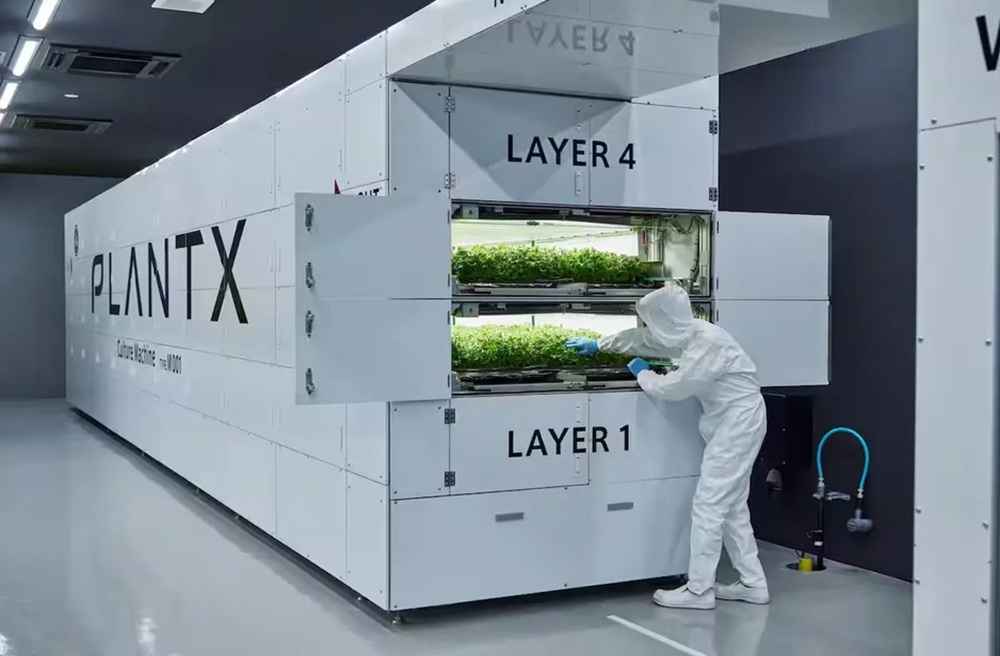
Located in Tokyo’s Koto Ward, the facility uses stacked, fully sealed cultivation units that independently control light, air, water and other growing conditions rather than managing a single large indoor growing space. Each unit regulates 28 environmental factors, including temperature, humidity, carbon dioxide, airflow, nutrient solution and lighting, allowing crops to be grown year-round regardless of outdoor conditions.
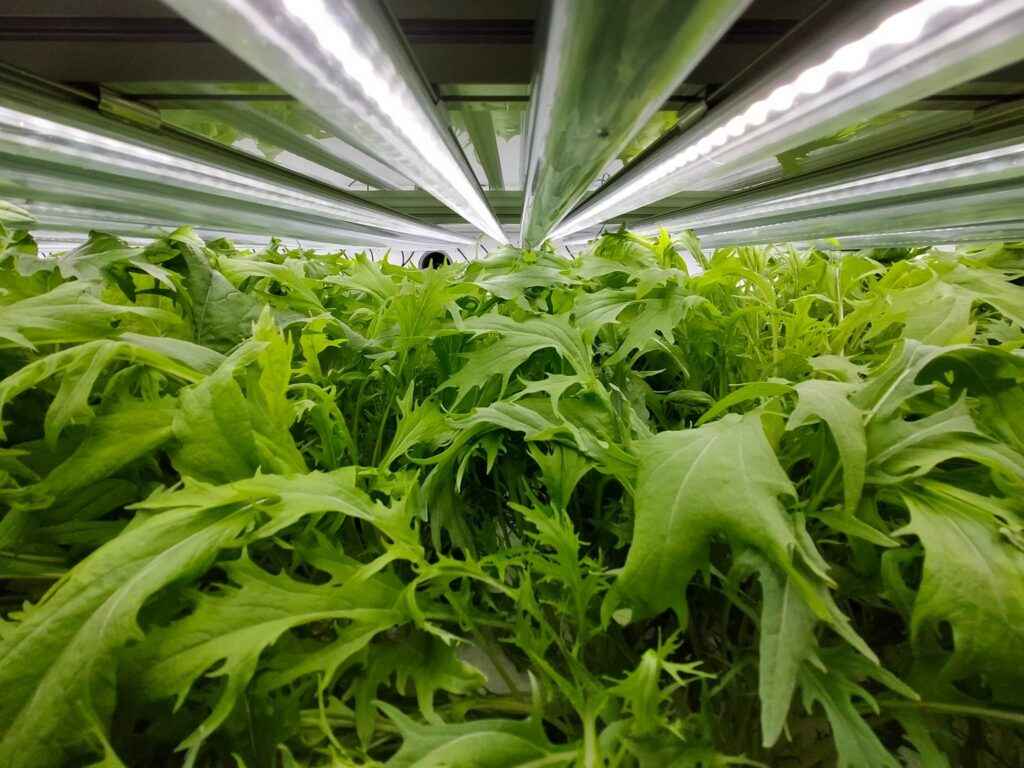
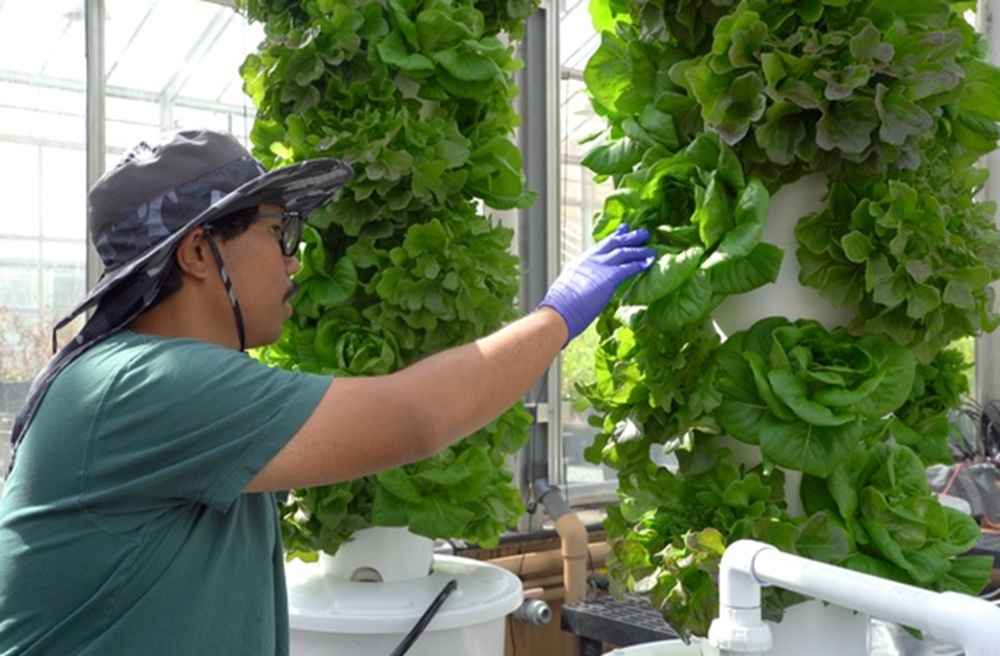
According to the company, the technology is designed to deliver consistent yields while also improving crop quality, flavour and nutritional value. For lettuce, Plantex says productivity has increased more than sixfold over the past decade, while producing 100 grams of lettuce requires 12 litres less water than conventional farming.
The company also develops proprietary “cultivation recipes” that optimize growing conditions for specific crops or target characteristics, such as reproducing regional flavour profiles or increasing nutrient content. Current research includes leafy greens, strawberries, cherry tomatoes, cucumbers and wheat, as well as medicinal plants including Panax ginseng through a collaboration with Rohto Pharmaceutical and Japan’s National Institutes of Biomedical Innovation, Health and Nutrition.
Plantex President and CEO Kosuke Yamada said the pilot facility will be used to advance automation while reducing labour, electricity, water and fertilizer use. “The need for automation is even higher overseas than in Japan,” Yamada said.
The company has already begun testing international demand. Last year, Kubota installed a Plantex sealed cultivation system at its New York facility to evaluate the North American market and potential business models. Plantex plans to use New York as a base for expansion into Europe, the Middle East and Asia, with longer-term ambitions to bring the technology to regions facing food shortages.
While optimistic about the technology’s potential, the company acknowledged that further research is needed. “We still don’t fully understand which plants are truly suitable,” Yamada said. “What we’ve achieved so far is just the tip of the iceberg.”
Plantex has received a ¥1.2 billion (US$7.4 million) government grant to support development of its technology.











 Facebook
 Twitter
 Instagram
 LinkedIn
 YouTube