


By Janet Kanters
Health Canada is proposing a regulatory pathway that would allow certain non-conventional and microbial pesticides already registered for greenhouse use to be used in Canadian vertical farms.
The proposal, published September 9, would address a regulatory gap that has prevented pesticide use in vertical farming systems. Health Canada is seeking public comments for 45 days before finalizing the policy.
Under the proposed approach, a non-conventional or microbial pesticide could be used in a vertical farm when it is already registered for the same crop or site and pest combination in a greenhouse. The product registrant would have to submit a label amendment through a notifiable change to add vertical farm use.
The amendment would be limited to adding the standard vertical farm wording and could not include other label changes.
Health Canada says its review of information gathered from stakeholders has provided a better understanding of vertical farm production systems and pest-management conditions. It has concluded that the data requirements used to register these products for greenhouse use are sufficient to assess human health, environmental and product-value considerations for the proposed vertical farm applications.
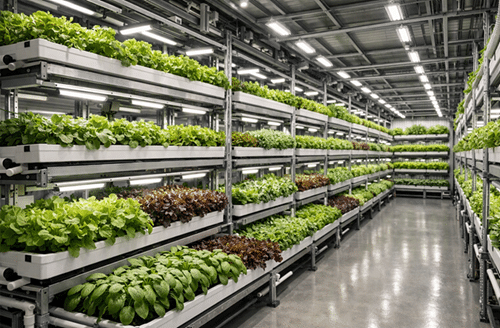
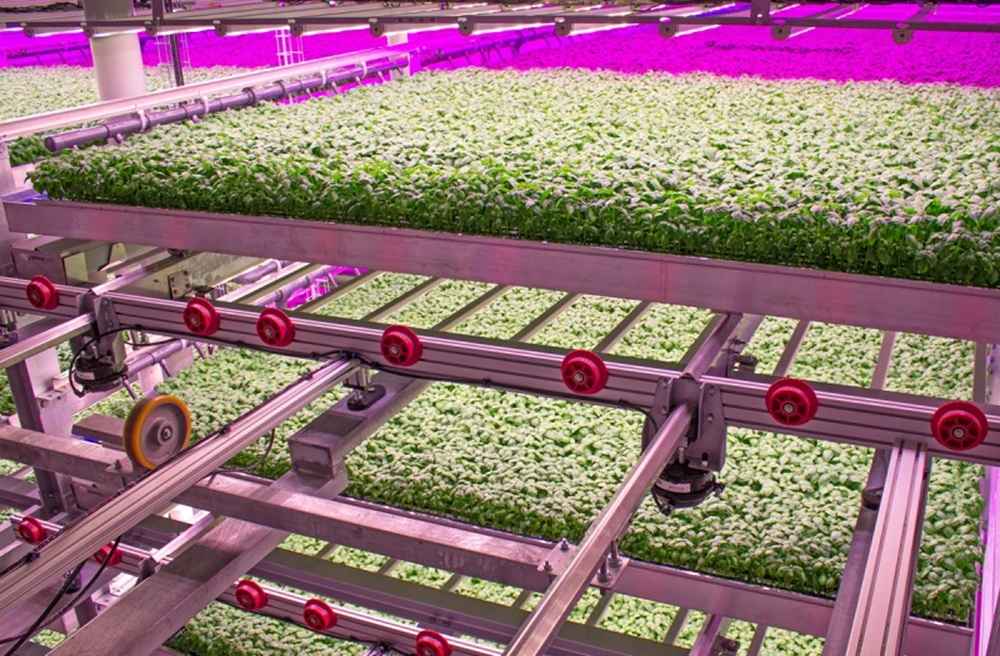
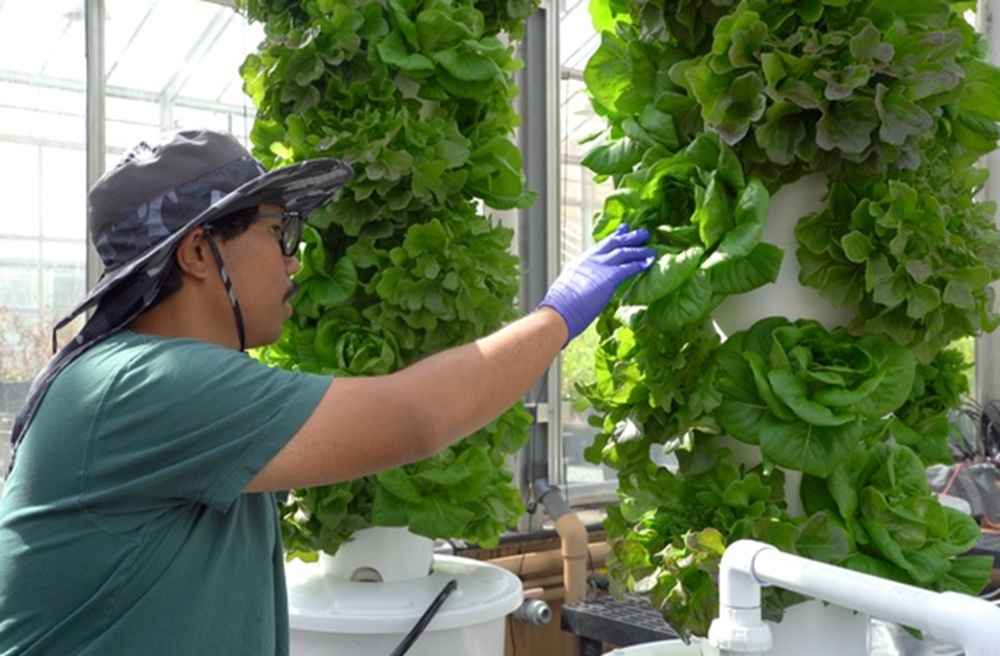
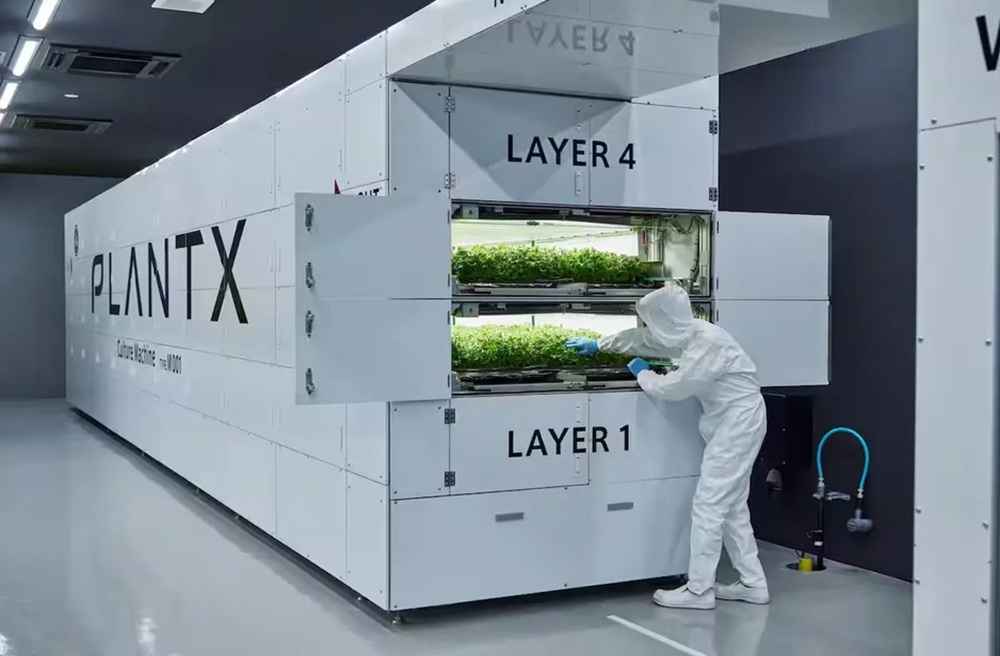
The proposal applies to vertical farms growing crops in media such as hydroponic, aeroponic or soil systems, where plants are grown indoors on vertically stacked or inclined layers and production relies wholly or largely on artificial lighting.
Limited to non-conventional and microbial products
The proposed policy would apply only to non-conventional and microbial pesticides. Conventional pesticides would remain subject to the existing registration process and could not be used in vertical farms under the proposed policy.
Non-conventional pesticides include products with characteristics such as low toxicity to non-target organisms, limited potential for significant human or environmental exposure, low persistence or a history of safe use. They can include substances such as plant extracts and oils, citric acid, acetic acid, salt and diatomaceous earth.
Microbial pesticides contain naturally occurring or genetically modified microorganisms, including bacteria, fungi, algae, protozoa and viruses. Predatory and parasitic insects and mites used for biological control are outside the scope of the proposal.
Products would only be eligible where the vertical farm can comply with the existing greenhouse label directions as well as additional requirements set out in the policy.
The proposed label wording would state that the product can be used in vertical farms to manage the pests on crops or sites listed on the label for greenhouse use, while directing users to follow greenhouse directions, precautions and restrictions.
For commercial- and restricted-class products, labels would also have to state that they must not be used in vertical farms if the ventilation system is shared with public or residential areas.
A change from the current policy
Health Canada’s position since at least 2022 has been that pesticides were not registered for use in vertical farming in Canada. The agency previously identified a lack of information on vertical farm production systems as a barrier to assessing potential occupational, dietary and environmental exposure.
In 2024, Health Canada distributed a questionnaire to external experts to gather information on vertical farm facilities, production systems, crops and pest pressures. The information was intended to help develop an approach for evaluating pesticide risks and benefits in these systems.
The proposed policy represents a shift from requiring product-specific data to support vertical farm use toward allowing eligible products to rely on the existing greenhouse registration, provided the crop, site and pest combination is the same.
The proposal does not, however, create a blanket authorization for pesticide use in vertical farms. Eligibility would depend on the product’s existing greenhouse registration and the ability of the farm to meet all applicable label requirements.
Health Canada is accepting comments through its Public Engagement Portal during the 45-day consultation period. The agency will consider submissions before deciding whether to finalize the proposed policy.











 Facebook
 Twitter
 Instagram
 LinkedIn
 YouTube