


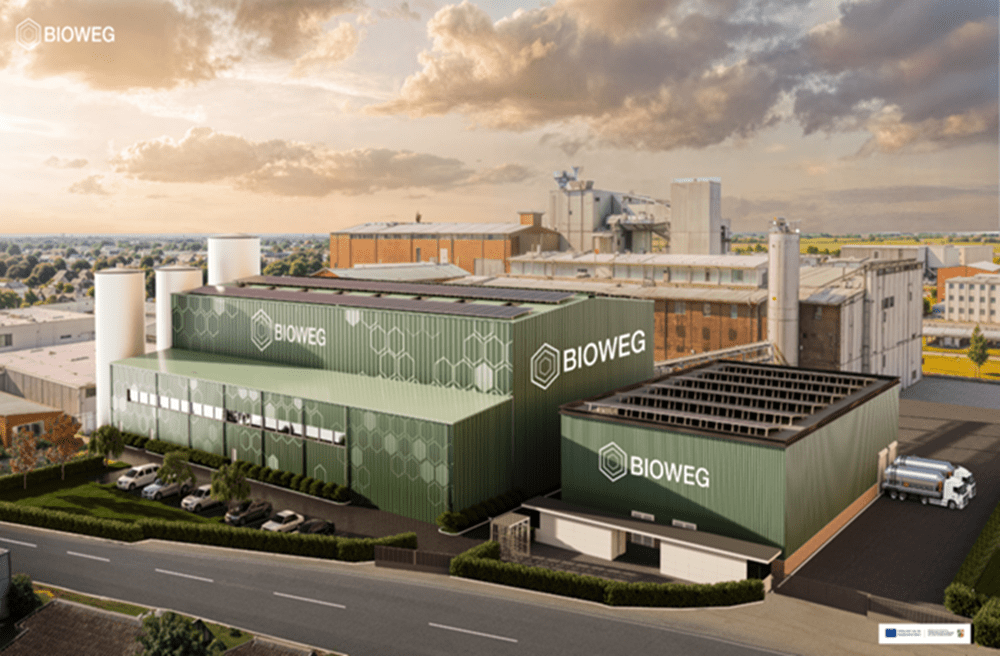
€35 million in total funding will support a 10,000-tonne annual production facility in Germany, targeting agricultural coatings and other microplastic replacements
German biotechnology company BIOWEG will begin construction of what it says will be Europe’s largest bacterial cellulose production plant in the fourth quarter of 2026, supported by €35 million in total funding.
The facility in Elsdorf, North Rhine-Westphalia, is expected to produce up to 10,000 tonnes of bacterial cellulose annually, with the first commercial volumes targeted for 2028.
Bacterial cellulose is produced by bacteria through fermentation and can be processed into functional ingredients. BIOWEG is developing the material as an alternative to fossil-based polymers and intentionally added microplastics used in products including fertiliser and seed coatings.
The company says European manufacturers face increasing pressure to replace intentionally added synthetic polymer microparticles following restrictions adopted under the EU’s REACH chemicals regulation in 2023. The restrictions are being phased in through the end of the decade.
BIOWEG says its agricultural products can provide the required coating and processing functions at up to 70 percent lower application rates than conventional synthetic alternatives in some formulations, potentially reducing cost-in-use.
The Elsdorf facility will be built within one of Germany’s largest sugar production complexes. BIOWEG plans to use molasses and other food-industry side streams from the complex as fermentation feedstock, reducing transportation requirements while providing a local source of raw materials.
The company has allocated about 60 percent of its total funding to the new facility.
The latest financing includes €18 million in equity, including €2 million from new investor Rabo Ventures. It also includes €10.3 million in non-dilutive funding from the EU through the “Produktives.NRW” grant competition under the EFRE/JTF Program for North Rhine-Westphalia 2021–2027, along with €2 million from other sources. The funding builds on BIOWEG’s €16 million Series A announced in September 2025.
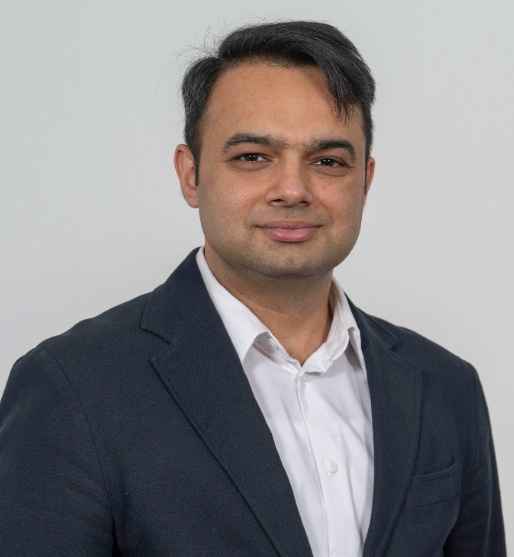
“Financing a first-of-a-kind plant is the hardest step in industrial biotechnology, and it is the step we are now taking, with the German government and the EU sharing the risk of building,” said Dr. Prateek Mahalwar, BIOWEG co-founder and CEO. “Food and agricultural side streams will always be available locally in Europe, and Elsdorf is where we’ll turn them into high-performance, biodegradable ingredients at industrial scale. Our customers reformulate when the performance holds and the cost works, and this plant is built to deliver both at the volumes they need.”
BIOWEG’s pilot facility in Quakenbrück will remain operational during construction. The site is being upgraded and automated, with annual capacity expected to increase from about 100 tonnes to at least 200 tonnes. It will continue supplying commercial batches through 2027 and 2028 and will provide the operating model for the Elsdorf plant.
For agriculture, BIOWEG currently markets bacterial cellulose-based ingredients for fertiliser and seed coatings as well as extrusion aids. The company also develops ingredients for personal care and home care applications.











 Facebook
 Twitter
 Instagram
 LinkedIn
 YouTube