


by Leonardo Gottems
Brazilian biological inputs company Bioma has obtained commercial registration for Metabolic Protection, a biofungicide based on the metabolites and lysed cells of Pseudomonas fluorescens, opening a new technological avenue in a Brazilian biologicals market still largely focused on products containing living microorganisms.
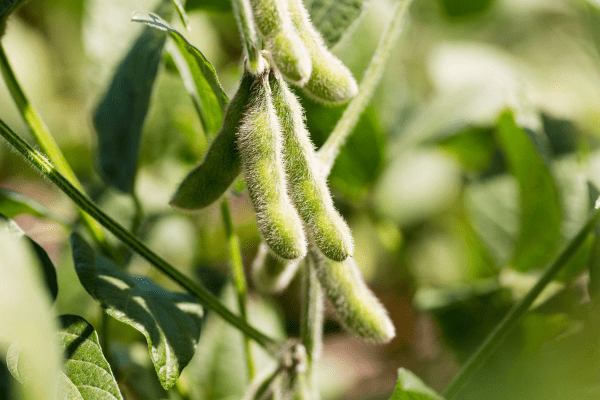
Metabolic Protection is formulated as a concentrated suspension (SC) containing a minimum of 15 g/L of P. fluorescens CCT 8242 metabolic extract and lysed cells. The product is registered for the management of fungal disease anthracnose, caused by Colletotrichum truncatum, and target spot, caused by Corynespora cassiicola.
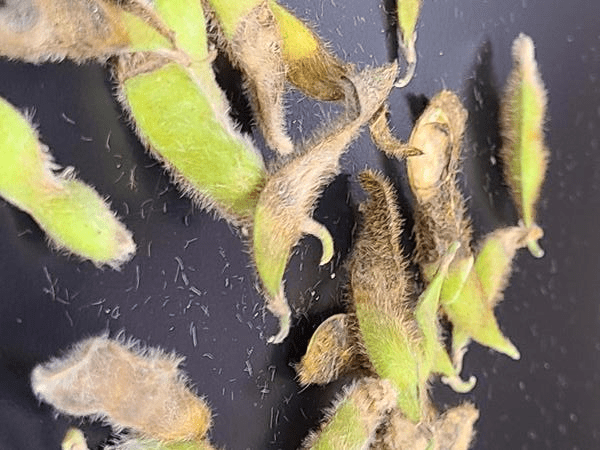
The technology represents a shift from the conventional use of viable microbial cells toward the exploitation of compounds produced by microorganisms. According to Bioma, the development was based on a proprietary process designed to stimulate specific genes in the bacterium responsible for producing metabolites with agronomic activity.
“Genetic potential is not enough; it has to be expressed. We studied each gene and how it is expressed, and then stimulated the bacterium to express the biological process we needed,” Artur Soares, Research Director at Orygen, told New AG International.
From microbial biology to metabolite technology
The distinction is technically relevant. Conventional microbial fungicides rely on living organisms that must survive, establish or interact with the plant and pathogen after application. Metabolite-based technologies instead seek to use the compounds generated by those microorganisms as the functional component.
According to Bioma, Metabolic Protection contains a blend of approximately 40 metabolites. More than 20 reportedly have direct antifungal activity, while another 17 are associated with activation of plant defense mechanisms.
This multi-component approach could be particularly relevant for disease-management programs facing increasing fungicide resistance.
“The combination of different molecules and mechanisms of action addresses one of the main challenges in soybean disease management: the gradual loss of efficacy of some chemical fungicides as pathogens develop resistance following repeated exposure to products with similar modes of action,” Soares said.
Rather than positioning the technology as a replacement for conventional fungicides, the company sees biological metabolites as an additional source of biological activity that can diversify disease-management programs and potentially reduce selection pressure on pathogen populations.
The two target diseases are economically significant in soybean production. Under favorable environmental conditions and in susceptible cultivars, severe disease pressure can substantially reduce yield, making resistance management and integrated disease control increasingly important.
Five years of development
The technology resulted from approximately five years of research within the Cogny ecosystem, with Orygen leading the scientific and technological development and Bioma responsible for development, registration and commercialization.
Field trials were conducted across more than 50 Brazilian production regions under different climatic conditions, disease pressures and management systems, according to the companies.

The development follows other biological technologies associated with the group, including Bioma Phos, a biological phosphorus-solubilizing product, and Hydratus, developed from a bacterium originating in Brazil’s Caatinga biome to improve plant tolerance to water stress.
For Bioma, however, Metabolic Protection marks an important technological transition: moving from products whose biological activity depends primarily on living microorganisms toward formulations designed to exploit the molecules produced by those microorganisms.
A growing biological fungicide market
The opportunity comes as Brazil’s biological fungicide segment expands rapidly. According to CropData data cited by CropLife Brasil, biofungicides generated approximately BRL 1.4 billion in sales in 2025 (USD 270 million), up 41% year on year, while treated area reached 26 million hectares, an increase of 37%.
The broader Brazilian fungicide market was valued at approximately USD 6.5 billion in 2025, accounting for about 32% of the country’s crop-protection market.
Against this backdrop, metabolite-based technologies could create a new competitive category within biological disease control—particularly if manufacturers can demonstrate consistent field performance, reproducible metabolite profiles and compatibility with integrated resistance-management programs.
For Brazilian biologicals developers, the significance of Metabolic Protection therefore extends beyond a new product registration. It points toward a broader evolution of the sector: from using microorganisms as biological agents to engineering and exploiting the biochemical machinery that makes those microorganisms agronomically valuable.
For more from New AG International on the formation of Cogny, here.











 Facebook
 Twitter
 Instagram
 LinkedIn
 YouTube