


Amoéba has received marketing authorization in France for its biofungicide AXPERA, clearing the way for commercial sales in the country and supporting regulatory approvals in other European markets.
The authorization was granted by France’s National Agency for Food, Environmental and Occupational Health Safety (ANSES), which evaluated the product as the European Union’s rapporteur Member State. The approval allows other participating EU countries to complete their own national authorization processes according to their regulatory timelines.
The approval marks the start of AXPERA’s commercial rollout in partnership with Koppert. The product will initially be marketed in France before expanding into other European countries as national approvals are granted.
“The approval of AXPERA in France marks the very first long-term authorization of our biocontrol product in Europe. This success confirms the strength of our regulatory dossier and paves the way for approvals in other European countries,” said Jean-Baptiste Eberst, Amoéba’s Regulatory Affairs Director.
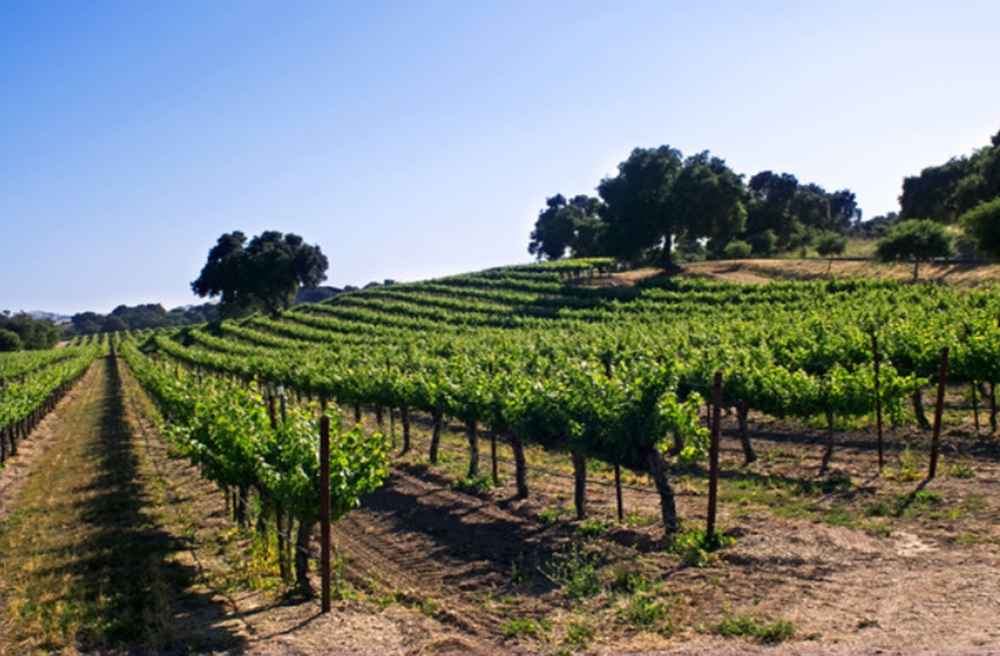
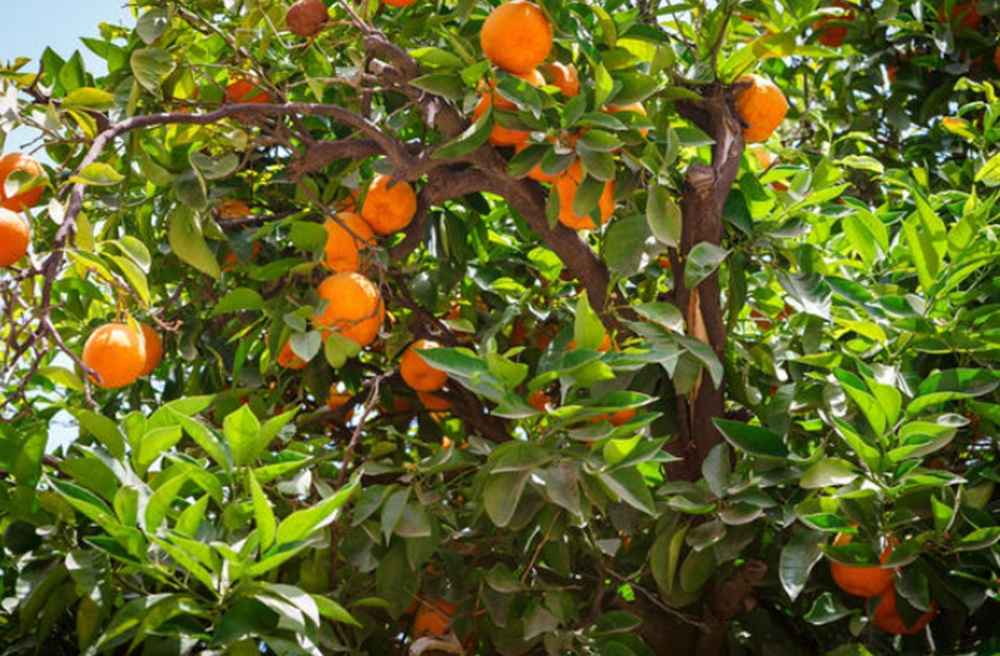
AXPERA is approved as a preventive biofungicide that inhibits the germination of fungal spores. It is registered for use against downy mildew and powdery mildew in grapes and cucurbits, late blight and powdery mildew in tomatoes and eggplants, and downy mildew in basil, lettuce and artichokes. The product can be applied on its own, as part of a spray program or alongside other approved fungicides.
ANSES classified AXPERA as a low-risk product, allowing its use in both conventional and organic production where regulations permit. According to Amoéba, the authorization includes short re-entry and pre-harvest intervals as well as reduced buffer distances.
The product’s active ingredient, Lysate of Willaertia magna C2c Maky, is also exempt from maximum residue limits (MRLs), eliminating the need for residue testing on treated crops before marketing.
France’s approval is expected to support the product’s expansion across Europe. Applications for open-field uses have already been submitted in Portugal, Spain, Italy and Greece, while protected-crop uses are under review in those countries as well as Belgium, Poland and Germany. Mutual recognition applications covering protected uses are also planned in 12 additional Member States, with market access targeted from 2027.
The French authorization is valid for 15 years and is renewable.
Jean-Marc Petat, Managing Director of Green for Agro, Amoéba’s biosolutions subsidiary, said the approval will accelerate commercialization through Koppert, which will market the product as TIAGAN for vineyards and YAZU for vegetable crops.
READ MORE
Axpera by Amoéba scoops Bernard Blum Award on tenth anniversary of award












 Facebook
 Twitter
 Instagram
 LinkedIn
 YouTube