

Belgium-based Aphea.Bio has entered a strategic research partnership with Bayer aimed at accelerating the development of bioinsecticides targeting sap-sucking insects.
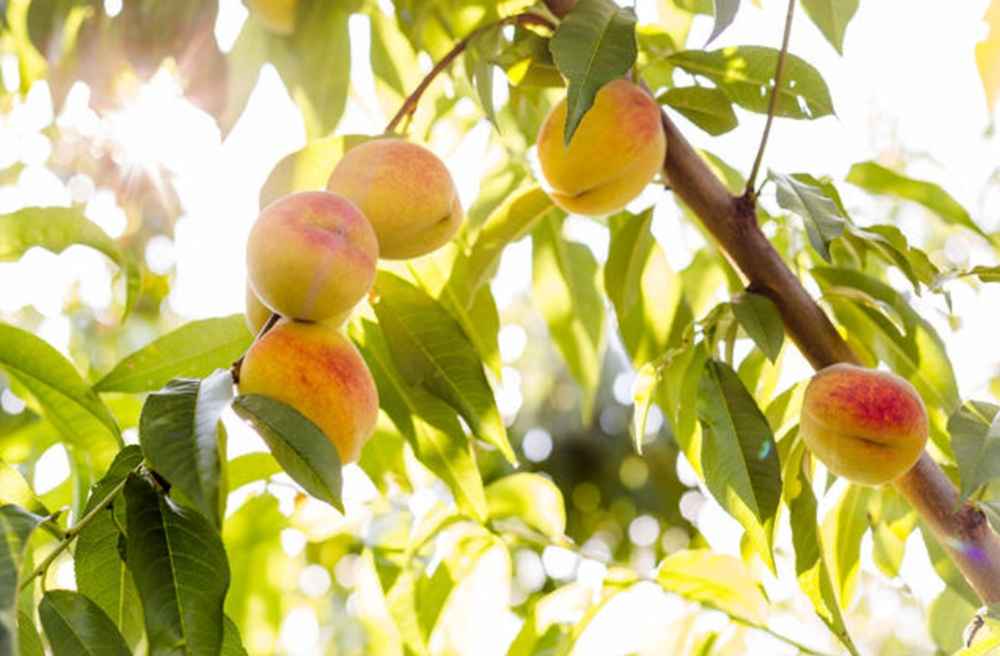
The collaboration will combine Aphea.Bio’s microbial discovery platform and bioinsecticide development expertise with Bayer’s product development, commercialization and global market capabilities. Initial efforts will focus on fruit crops, including pome fruit, stone fruit, citrus and grapes, with opportunities to expand into vegetables and row crops such as cotton and soybean.
Sap-sucking insects remain a persistent challenge for growers, while regulatory pressures and increasing resistance to some conventional insecticides have heightened demand for alternative crop protection tools. The companies said bioinsecticides derived from microbial metabolites offer a different approach by pairing biological modes of action with the handling characteristics and shelf life associated with non-living products.
Aphea.Bio’s research program is built on screening thousands of microbial strains to identify bioactive metabolites with insecticidal potential. The company advances selected candidates through development stages designed to assess safety, efficacy and commercial viability.
“The bioinsecticide market has been waiting for a partnership like this,” said Isabel Vercauteren, CEO of Aphea.Bio. “Bayer’s decision to collaborate with us reflects confidence in our team’s ability in developing high-quality bioinsecticide leads, while they bring the capability to take these solutions to millions of farmers. Together, we can deliver crop protection that actually works on a global scale, addressing pests that currently have few effective options.”
Bayer said the partnership aligns with efforts to expand the range of biological crop protection solutions available to growers.
“Through this research partnership with Aphea.Bio, we help broaden the crop protection toolbox and accelerate the development of innovative, effective and scalable biological solutions that meet the evolving needs of growers,” said Benoit Hartmann, Insights, Innovation & Partnerships Lead in Bayer’s Crop Science division.
Under the agreement, the companies will jointly advance prototype products through field validation and engage early with regulatory authorities. Development milestones will be evaluated against criteria including efficacy, safety, manufacturability and regulatory pathway readiness.














 Facebook
 Twitter
 Instagram
 LinkedIn
 YouTube