


By Janet Kanters
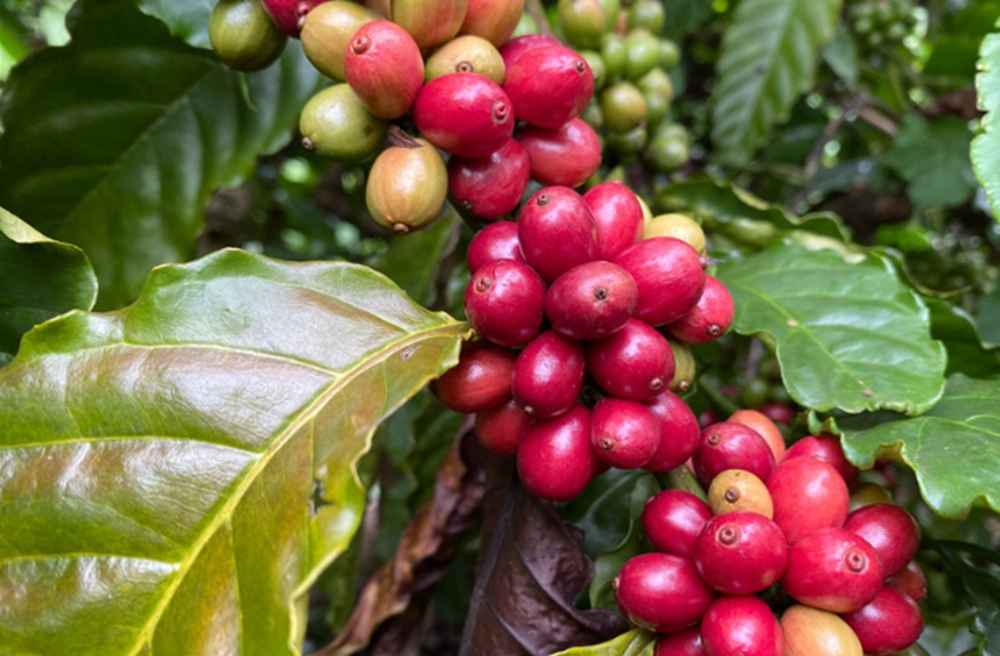
A new study from Orbia Netafim found that drip irrigation can “significantly reduce” the environmental impact of Robusta coffee production while improving yields and lowering input use.
The three-year Life Cycle Assessment (LCA), conducted from 2022 to 2024 in Vietnam’s Dak Lak province, compared drip irrigation systems with traditional overhead sprinkler irrigation in Robusta coffee cultivation. According to the company, drip irrigation reduced the carbon footprint and Global Warming Potential of coffee production by nearly 60 percent.
The study also reported that drip irrigation increased yields per hectare by more than 50 percent, reduced water use by about 56 percent and lowered chemical use per tonne of coffee beans produced by 46 percent.
The findings come as coffee growers face increasing pressure from climate volatility, water shortages and higher production costs. Vietnam is one of the world’s largest coffee-producing countries, and Robusta prices have risen sharply in recent years as growers expand into new production regions where irrigation is needed to maintain yields.
“Coffee growers today face mounting pressure to increase productivity while managing water scarcity, climate volatility, and rising input costs,” said Ram Lisaey, head of global agronomy at Netafim. “This Life Cycle Assessment reinforces what we see on the ground every day: precision irrigation is a practical, scalable pathway for coffee growers and companies to achieve supply chain resilience, advance their ESG targets and bring more sustainably grown coffee to market.”
The company said the results were driven by its Coffee Protocol, a set of irrigation and fertigation practices developed through decades of field research and on-farm monitoring across coffee-growing regions in Latin America, Asia and Africa.
Netafim said the coffee study builds on earlier LCA research showing environmental benefits from drip irrigation in crops such as corn and potatoes. The company said the growing body of evidence supports efforts to build more resilient agricultural supply chains while reducing water, energy and input use.
Attend Coffee LATAM & Cafe World Summit: Where regional insight meets global perspective. July 28-29, 2026, Royal Palm Hall, Campinas, São Paulo, Brazil.










 Facebook
 Twitter
 Instagram
 LinkedIn
 YouTube