


By Janet Kanters
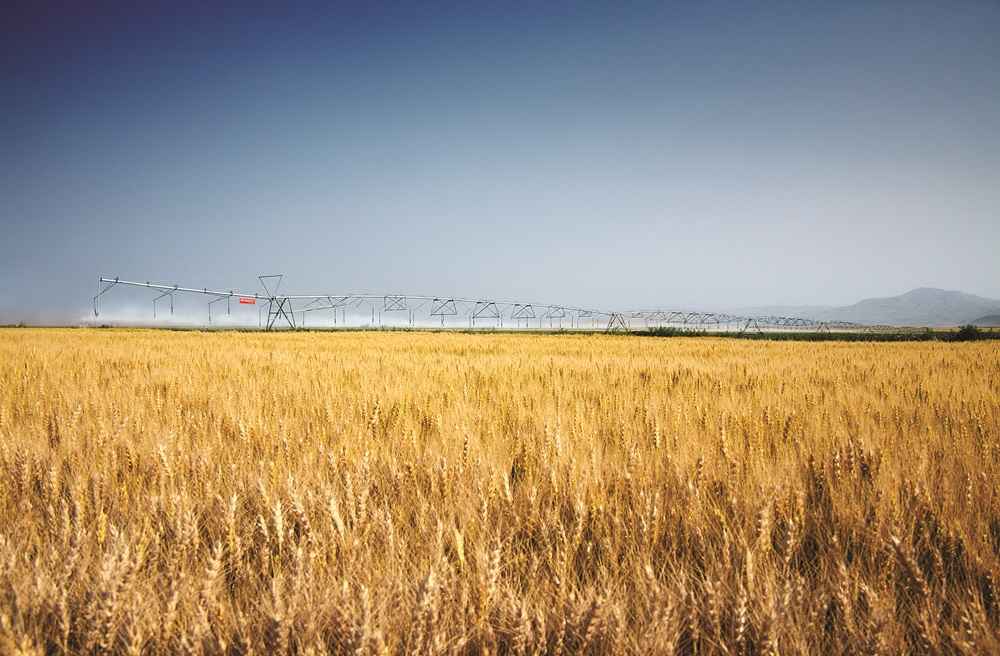
Lindsay Corporation is expanding its footprint in one of the world’s most water-stressed agricultural regions, announcing a new supply agreement worth approximately US$80 million to deliver Zimmatic irrigation systems and FieldNET remote management and scheduling technology across the Middle East and North Africa (MENA).
The project is designed to support localized food production and strengthen food security in a region where agriculture must contend with extreme heat, scarce water resources and rapidly growing demand. Delivery has begun and will continue through Lindsay’s fiscal 2026, with $70 million of the contract revenue anticipated to be recognized during the fiscal year.
Lindsay, a global manufacturer and distributor of irrigation and infrastructure equipment and technology, has a long-standing presence in the region. Company leadership says that Lindsay’s proven track record was a key factor in securing the agreement.
“We have a strong track record of delivering transformative projects across the MENA region, reinforcing our credibility and trust with regional customers and agricultural partners,” says Randy Wood, president and chief executive officer of Lindsay Corporation, adding that the new agreement reinforces the company’s role in addressing some of agriculture’s most pressing challenges.
The MENA region relies heavily on irrigation to sustain agricultural output yet faces chronic water shortages. Agriculture consumes more than 80 percent of available water in many countries across the region, making efficiency gains essential rather than optional.
“The project directly supports the region’s demand for sustainable agriculture and food security, which is an urgent priority in the region,” notes Wood.
Large-scale farms and food security initiatives
The scale of the agreement reflects the size and ambition of current agricultural development efforts across MENA. The $80 million project includes a mix of Zimmatic center pivot irrigation systems paired with FieldNET remote management and scheduling tools, technologies designed for large commercial operations.
As governments across the MENA region invest in modernizing agriculture to reduce water use while maintaining or increasing yields, this project aligns with the region’s efforts to drive greater efficiency, conserve critical water resources, and enhance long-term productivity across farms.
FieldNET as a differentiator
While Zimmatic irrigation systems form the backbone of the project, Lindsay leadership points to FieldNET as a critical differentiator that helped secure the agreement. The platform allows farm managers to monitor and control irrigation systems remotely, optimize scheduling and respond quickly to changing field conditions.
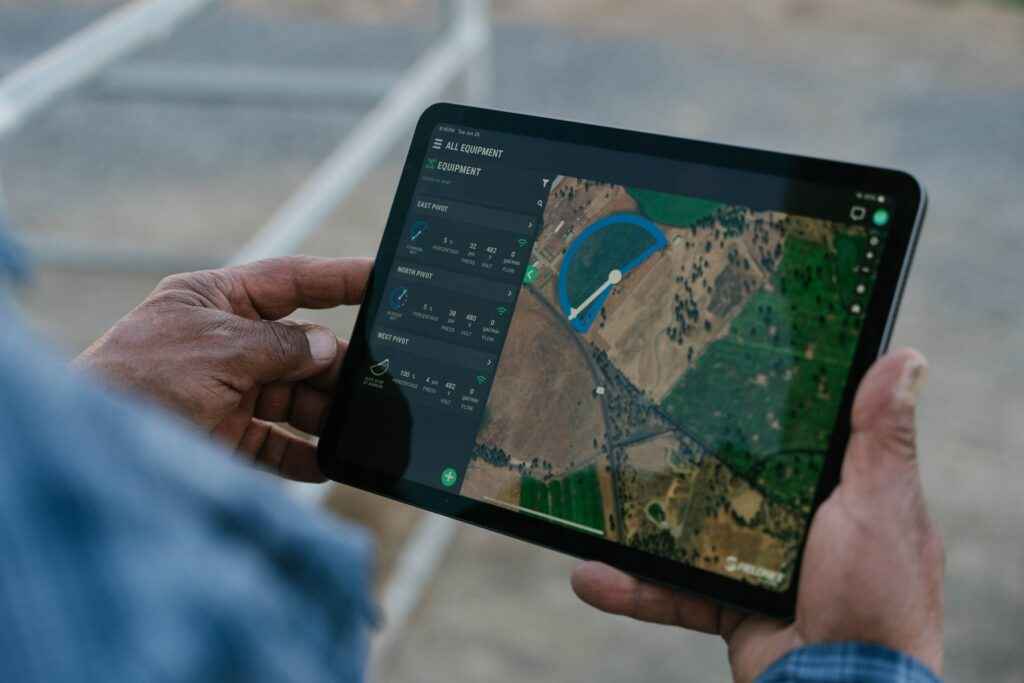
“FieldNET is a strategic differentiator in large projects, helping farm managers conserve water, optimize resources, and enhance productivity – empowering them to meet global demand while protecting our planet’s most precious resources,” says Wood.
Indeed, FieldNET’s capabilities are particularly well suited to the operating realities of the MENA region, where farms are often expansive and remote, and on-site management can be challenging. For instance, remote irrigation management enables farm managers to operate systems without being on-site.
Precise water application, enhanced by FieldNET Advisor’s science-based irrigation scheduling, is another differentiating feature. FieldNET Advisor helps growers reduce waste in a region where every cubic metre of water counts, with real-time, continuously adjusting recommendations that are especially valuable in volatile climates where water and energy efficiency are critical.
“Advanced scheduling tools and real-time system feedback help operators quickly adjust irrigation strategies amid fast-changing climate conditions,” notes Wood.
Aligning with global strategy
The MENA agreement fits directly within Lindsay’s broader international growth strategy, which focuses on deepening partnerships in water-stressed regions and participating in large, multi-farm or multi-region initiatives.
“Large food security initiatives provide a platform for Lindsay to scale our systems and technology across entire agricultural regions, not only individual farms,” says Wood. “Our goal is to serve as a long-term strategic partner, not simply an equipment provider.”
Continued investment and future expansion
Alongside the current project, Lindsay continues to invest in enhancing its irrigation and management platforms. Zimmatic, FieldNET and FieldNET Advisor are central to the company’s offering in large-scale projects, combining automation, monitoring and decision support. Such capabilities are becoming increasingly critical as producers face rising production demands alongside mounting pressure to use fewer inputs.
Lindsay also sees the MENA project as a model that can be replicated elsewhere. The company is actively pursuing opportunities in other water-stressed regions where similar challenges exist.
“Lindsay is expanding into water stressed global markets, and our projects in the MENA region are a key part of our broader strategy to address water scarcity and strengthen food security through advanced irrigation technologies,” notes Wood.
Lindsay also plans to continue strengthening its presence in other regions where it has established operations, including Sub-Saharan Africa, Asia-Pacific, parts of Europe, and Latin America where customers face similar agricultural and water management challenges.
As delivery continues on the MENA agreement, Lindsay is positioning the project as a proof point of how large-scale irrigation technology can play a central role in securing future food supplies under increasingly constrained conditions.









 Facebook
 Twitter
 Instagram
 LinkedIn
 YouTube