


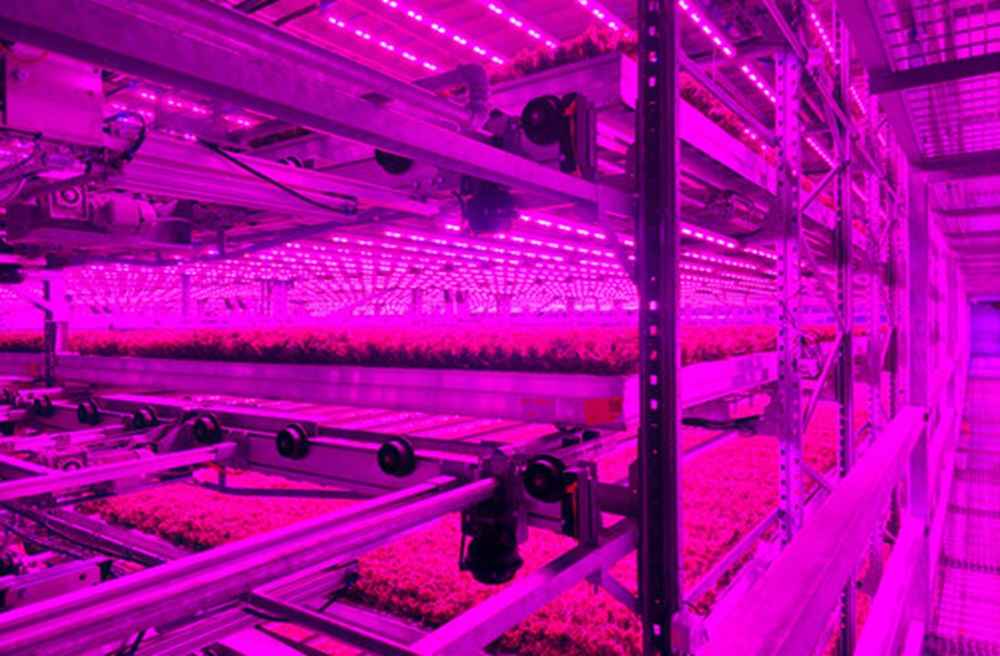
80 Acres Farms and Soli Organic announce a strategic merger to form what they claim is one of the world’s largest and most advanced indoor farming networks, bringing together decades of leadership in indoor farming.
The newly formed company, with projected first-year revenues approaching US$200 million, will operate under the 80 Acres Farms name and be headquartered in Hamilton, Ohio.
80 Acres Farms is a vertical farming company based in Hamilton, Ohio. Founded by Mike Zelkind and Tisha Livingston in 2015, the company operates indoor farms powered by Infinite Acres’ GroLoop technology platform.
According to Zelkind, vertical farming is entering the next phase of business maturity, and it’s about execution, efficiency, and results.
“This merger unites two top operators that, together, have the scale, economics, and teams to deliver the results that the industry has been waiting for,” he says. “Both companies have spent decades developing enhanced technology, improving operations, and building winning brands. Our value proposition is clear: fresher, better-tasting produce that’s pesticide- and heavy metal-free, locally grown, climate-resilient, and built for shelf life.”
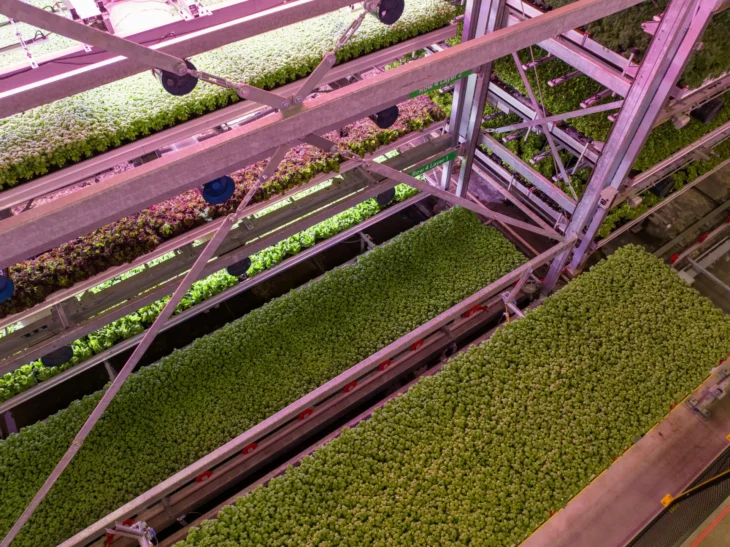
Soli Organic Inc. was founded in 1989, and serves thousands of retail doors and 70 percent of the top 10 retailers. “Vertical farms offer greater consistency, quality, and yield. I’m excited about combining two leading technologies to create the system that will define the next generation of indoor agriculture,” says Ulf Jonsson, a founder of Soli Organic.
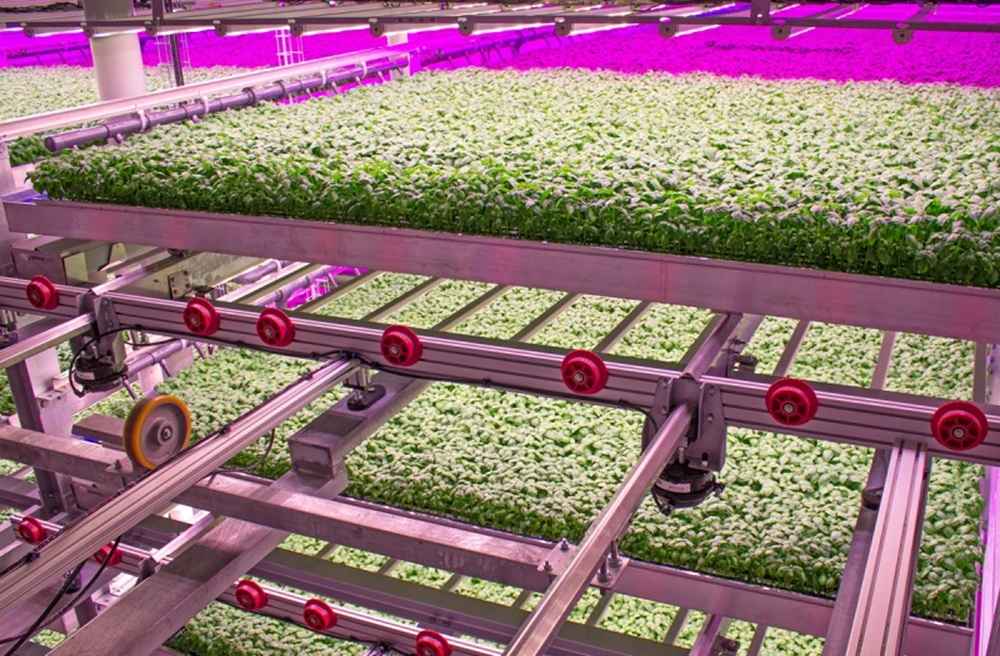
The merger combines 80 Acres Farms’ GroLoop platform, an integrated system of hardware, software, and environmental controls designed for precision, automation, and scalability across the entire farm network, with Soli Organic’s longstanding retail footprint and agronomic expertise, developed over more than 35 years of commercial production.
The merged company will serve more than 17,000 retail locations across the U.S., supported by a farm and logistics network designed for regional redundancy and just-in-time delivery. With seven nationally distributed vertical farms, the company says it has the capacity to grow 15-20 million pounds of fresh produce annually, meeting current customer demand while leaving room for retail expansion.
In addition, the company notes that the integration unites veteran teams in engineering, plant science, operations, and food safety, strengthening the company’s technical foundation and accelerating innovation across the network. “It also unites proven branding, marketing, and merchandising capabilities to support long-term retail growth and customer engagement.”













 Facebook
 Twitter
 Instagram
 LinkedIn
 YouTube