


By Janet Kanters
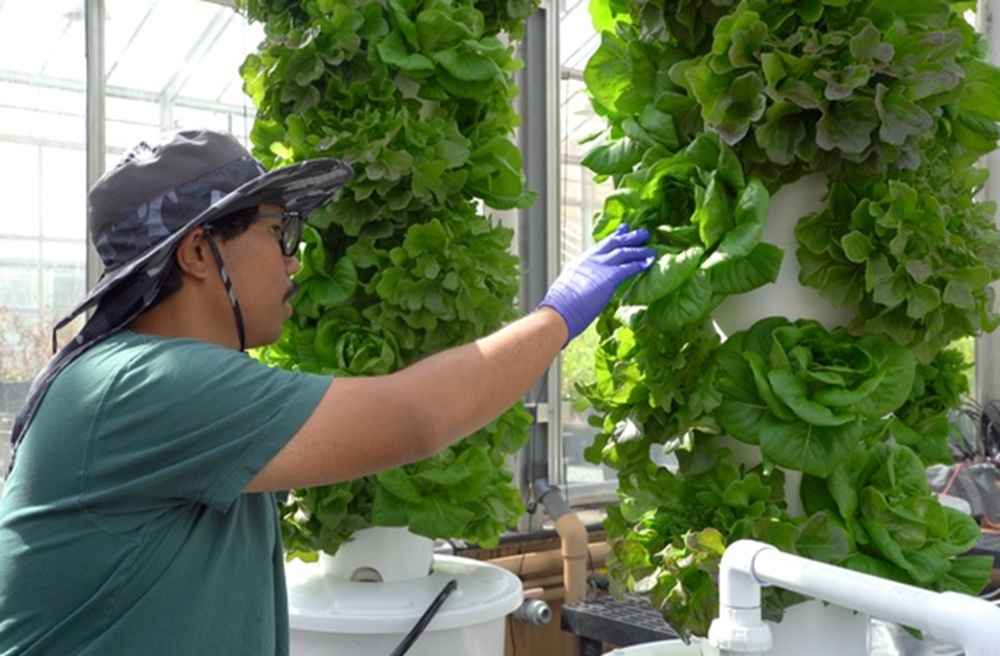
Researchers at the University of Hawaiʻi at Mānoa are developing a hybrid vertical farming and aquaponics system designed to help growers produce high-value crops more efficiently in the state’s challenging growing conditions.
Led by Kyle Marcelino, a PhD graduate from the College of Tropical Agriculture and Human Resilience’s Department of Molecular Biosciences and Bioengineering, the project combines controlled-environment agriculture with aquaponics and nanobubble technology to improve plant production while making better use of limited agricultural land.
A key component of the system is nanobubble technology, which injects pure oxygen into the water to increase dissolved oxygen levels. According to the research team, maintaining adequate oxygen is essential for healthy plant roots and the beneficial bacteria that convert fish waste into nutrients plants can use.
“One of the most important parts of aquaponics is trying to maintain dissolved oxygen,” Marcelino said.
The higher oxygen levels also help reduce root decay caused by harmful bacteria while encouraging microorganisms to break down organic solids, reducing sludge buildup within the system.
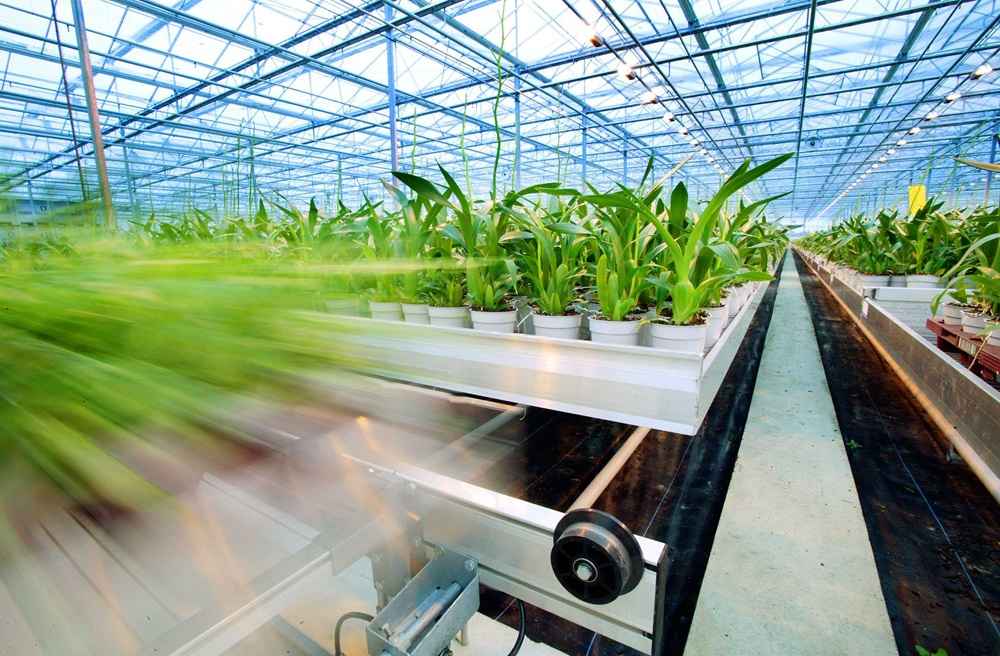
The research addresses challenges unique to Hawaiʻi, where limited farmland and tropical conditions can make production of some crops difficult. The hybrid greenhouse system regulates temperature, UV exposure and water quality to create a more favourable growing environment.
Although the system is well suited to leafy greens, researchers are also evaluating its potential for higher-value crops such as strawberries, which are difficult to grow in Hawaiʻi’s humid climate, as well as radishes and other root vegetables.
The long-term objective is to move the technology beyond research and into commercial production, providing farmers with another option for producing fresh food locally.
“The whole big goal is to try to eventually build this controlled environment system where farmers can control temperature, water quality, and oxygen levels to grow high-value crops and feed communities,” Marcelino said.
The research is supported by the CTAHR CARES Initiative and the Mamoru and Aiko Takitani Foundation.
RELATED
Tiny bubbles, big results











 Facebook
 Twitter
 Instagram
 LinkedIn
 YouTube