


By Janet Kanters
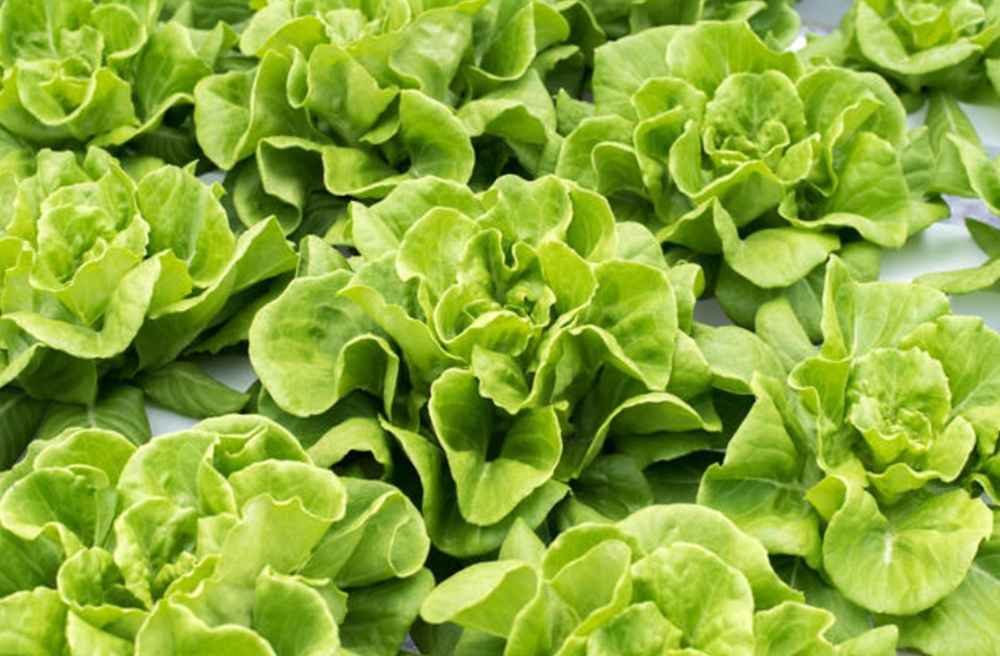
A new imaging approach developed by researchers at the University of Florida Institute of Food and Agricultural Sciences (UF/IFAS), the U.S. Department of Agriculture (USDA) and NASA could help greenhouse growers identify drought stress in crops days before plants begin to wilt or change colour.
The research, published in Plant Phenomics, used hyperspectral imaging to detect early signs of water stress in lettuce shortly after irrigation was reduced. Researchers said the technology could help growers make irrigation decisions sooner, improving water management in controlled-environment production systems.
The system was also designed with future space agriculture in mind, where crops will need to be monitored automatically to ensure a reliable food supply during missions to the Moon or Mars.
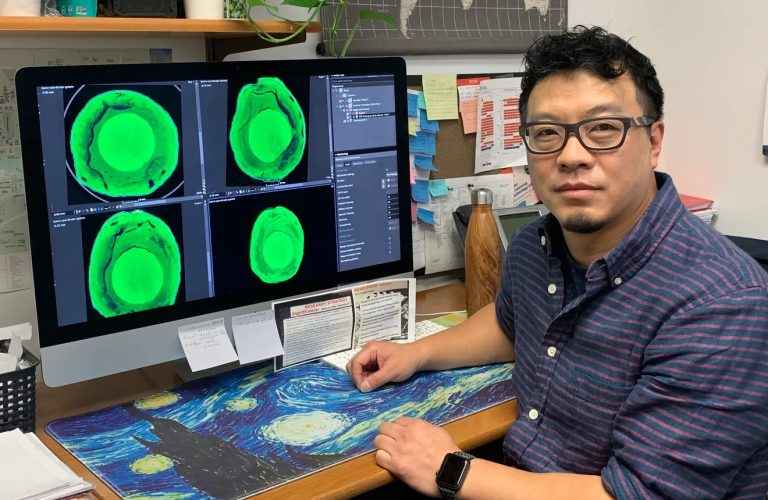
“As hyperspectral imaging technology continues to advance, our goal is to develop tools that can detect crop stress before visible symptoms appear,” said Tie Liu, associate professor of horticultural sciences at the University of Florida. “Early detection of drought stress is particularly important for controlled-environment agriculture and future space missions, where plants depend entirely on carefully regulated resources.”
Unlike traditional methods that may require sampling plant tissue, the imaging system assesses plant health without damaging the crop. A hyperspectral camera measures how leaves reflect light across wavelengths that are not visible to the human eye, allowing researchers to detect subtle physiological changes before visual symptoms develop.
The study found the system could identify drought stress within a few days of reduced watering. By the fifth day, it detected stressed plants with about 97 percent accuracy.
Researchers also reported that the technology consistently detected drought stress across multiple independent experiments, suggesting it could perform reliably under different growing conditions.
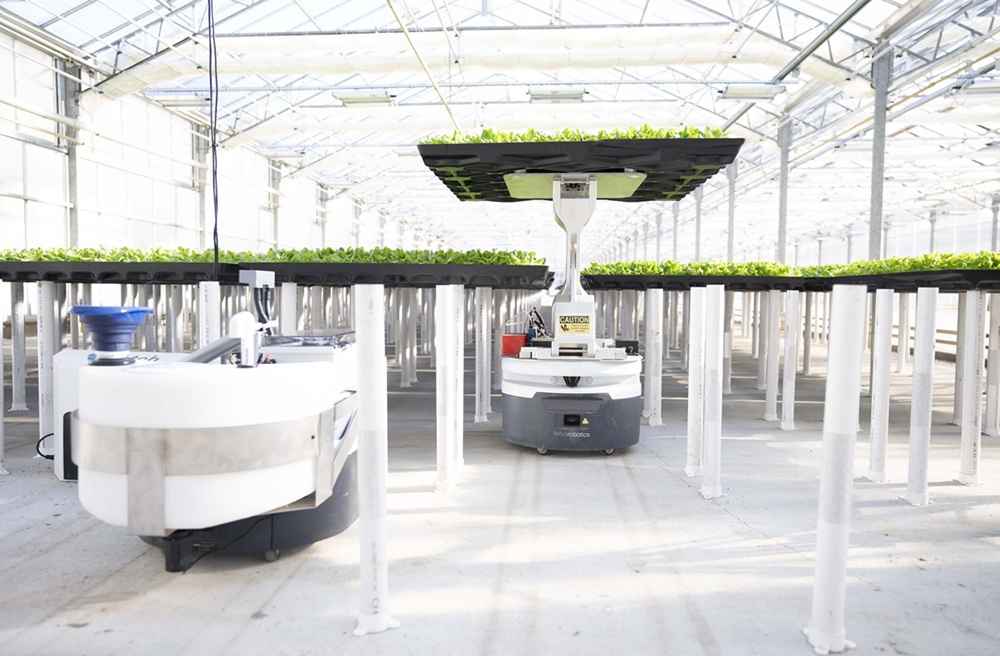
The findings could have practical applications for greenhouse operations and other controlled-environment production systems, where crops depend entirely on managed irrigation and environmental controls. Earlier detection of water stress could allow growers to respond before crop performance declines while using water more efficiently.
Although the study focused on drought stress, the researchers believe the approach could eventually be adapted to identify other types of crop stress.
“By combining hyperspectral imaging with artificial intelligence, we hope to provide growers and space researchers with a non-destructive way to continuously monitor plant health, optimize water management, and improve crop resilience in environments where every resource counts.” Liu explained.











 Facebook
 Twitter
 Instagram
 LinkedIn
 YouTube