

Warmer, wetter conditions in 2024 drove higher pest and disease pressure – but growers responded with more sustainable crop protection measures.
By Janet Kanters
The latest Scottish Government survey on pesticide usage in soft fruit crops shows a clear shift toward biopesticides, biological control agents and physical pest control in 2024, as part of integrated pest management (IPM) strategies across the sector.
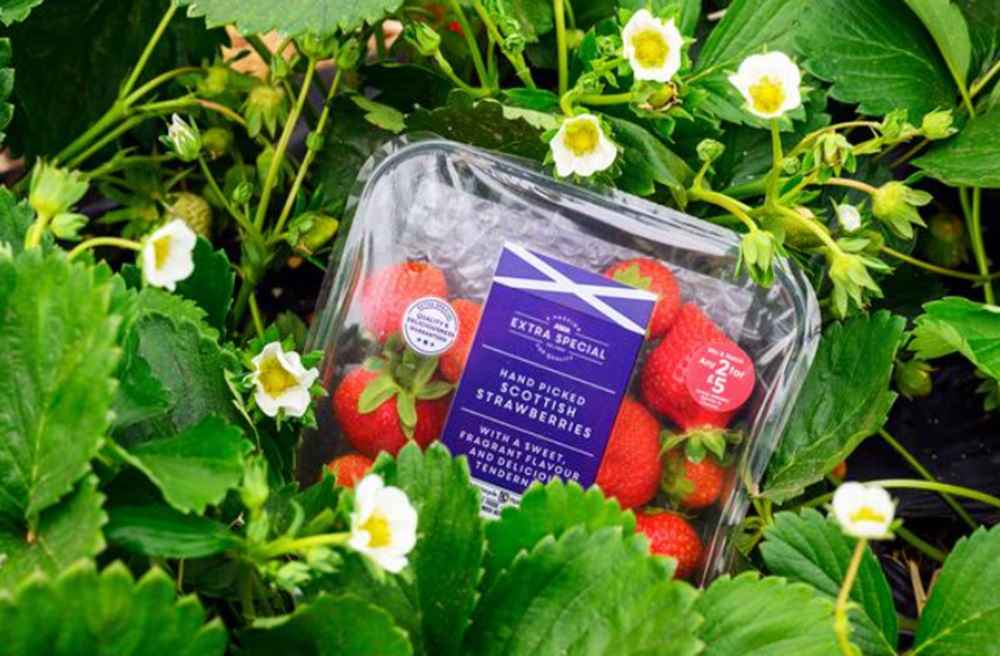
The report, Pesticide Usage in Scotland: Soft Fruit Crops 2024, covers pesticide applications on strawberries, raspberries, blackcurrants and other minor soft fruits grown for human consumption.
Soft fruit area down, but biological use up
In 2024, Scotland’s soft fruit production covered 1,959 hectares, down nine percent from 2022. While overall cropped area fell, the total area treated with pesticides increased by 12 percent, and the weight of pesticide applied per hectare rose by 83 percent compared with 2022. This rise was driven primarily by increased use of biopesticides.
Despite reduced acreage, growers applied more biological and non-chemical controls:
• Biopesticide use increased by 61 percent
• Biological control agent use rose by 20 percent
• Physical control methods expanded by 18 percent
These increases reflect growers’ growing reliance on biological products within IPM programmes to manage pests and diseases sustainably, particularly in a year marked by warmer and wetter conditions that favoured pathogen and weed development.
New and leading biological products
Among the most widely used biological products were the biopesticide Bacillus pumilus strain QST 2808 and the biological control agent Neoseiulus cucumeris, both key tools for managing fungal pathogens and mite pests.
Several new biological and physical agents were recorded for the first time in 2024, signalling ongoing innovation and adoption in the sector. These included:
• Biological control agent: Feltiella acarisuga
• Biopesticides: Akanthomyces muscarius, COS-OGA, Metarhizium anisopliae
• Physical control agent: maltodextrin
Crop breakdown and pest management trends
Strawberries remained the dominant soft fruit crop, accounting for 51 percent of total area, followed by blackcurrants (19 percent), blueberries (12 percent), raspberries (10 percent) and other minor fruits (eight percent).
Fungicides continued to be the most widely applied products, used on 87 percent of the cropped area, while biologicals were applied to more than half (54 percent) – a notable increase from previous surveys.
Key conventional actives included boscalid and pyraclostrobin (fungicides), pendimethalin (herbicide) and spirotetramat (insecticide). However, the growing uptake of biologicals and physical control products underscores the sector’s transition toward more sustainable pest management.
Industry observers note that the 2024 findings demonstrate how Scottish soft fruit growers are adapting to changing pest pressures and climatic variability by expanding the biological component of their protection programmes.









 Facebook
 Twitter
 Instagram
 LinkedIn
 YouTube