

By Janet Kanters
IBI Ag Ltd. reports it has successfully demonstrated that artificial intelligence can design entirely new bioinsecticide proteins capable of killing major crop pests – an advance the company believes could significantly accelerate the development of biological crop protection products.
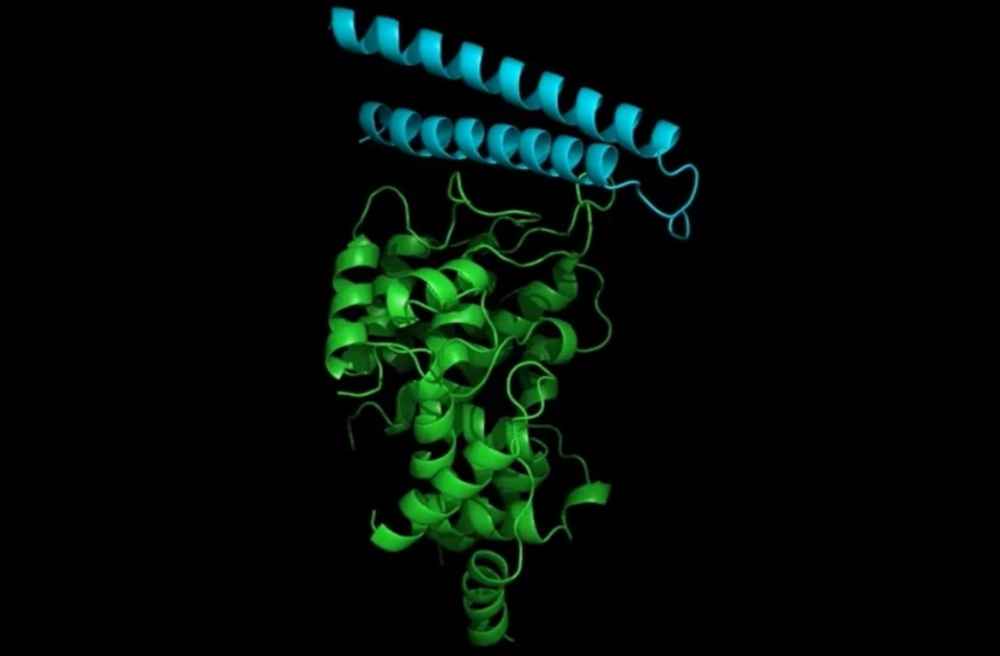
The ag-biotech company recently completed a proof of concept for its AI-driven platform for de novo protein design, moving from computer-generated sequences to validated insect control in laboratory bioassays.
The project resulted in the creation of novel proteins that were tested against key agricultural pests and shown to be effective. The company says the approach could enable faster development of targeted biological insecticides while reducing impacts on beneficial insects and the environment.
“Completing this proof of concept is a major milestone for IBI Ag,” said Arnon Heyman, CEO of IBI Ag. “To the best of our knowledge, this is the first ever de novo protein design platform for bioinsecticides.”
Unlike most biological insecticides that rely on naturally occurring toxins or microbes, the company’s system designs entirely new proteins using artificial intelligence and large biological datasets.
“What we are doing now is actually developing something like magic,” Heyman said. “These proteins do not exist in nature, the computer analyzes a specific biological target, integrates our proprietary data and generates proteins sequences designed to block this target. The sequence is just based on the AI data. And amazingly it really works!”
From computer design to insect testing
IBI Ag develops protein-based bioinsecticides that target essential proteins in the insect’s digestive system. Historically, the company relied on conventional methods that generate antibodies in living systems to attack those targets.
The new AI-driven approach builds on that earlier work. Researchers provided the computer with the structure of insect protein targets and information about where binding occurs. The system then designed new proteins predicted to bind more effectively.
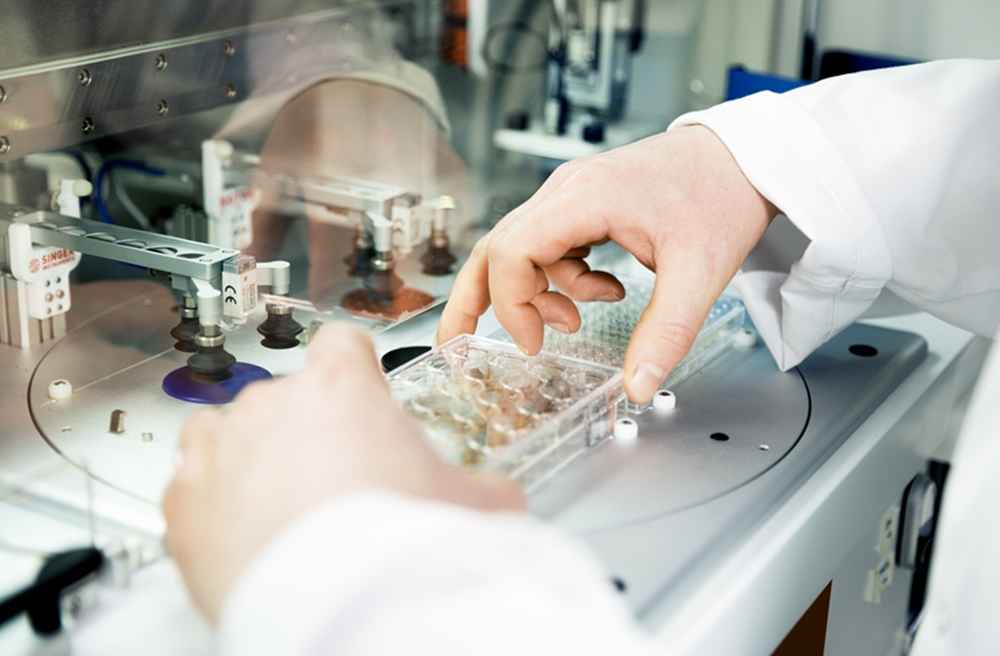
The company focused initial testing on three economically significant pests: fall armyworm (Spodoptera frugiperda), whiteflies (Bemisia tabaci) and aphids.
“Additional insect species will be evaluated in future work,” Heyman said.
Faster discovery cycle
One of the main advantages of the approach is speed. According to Heyman, the entire proof-of-concept process – from protein design to insect testing – took less than six months.
“To develop something like that from the start, that’s roughly two years of work for any company,” he said.
The computational approach also allows researchers to work with protein targets that are difficult to handle in laboratory experiments, such as proteins that are unstable or hard to produce.
Another benefit is the ability to process far larger datasets than traditional methods. “The amount of omic data that we can use is in orders of magnitude more,” Heyman said.
Opening new possibilities for biological insecticides
IBI Ag believes the technology could expand the types of targets that can be addressed with biological crop protection products.
“The way we see it in the very near future, companies could potentially block any target,” Heyman said. “IBI Ag advantage is in our proprietary data and IP that keeps us a few steps ahead.”
He noted that similar approaches are already gaining traction in the pharmaceutical sector.
“Many pharmaceutical companies are already adopting this approach for drug design,” said Heyman. “We are at the forefront of applying this methodology to agtech and crop protection.”
Next step: greenhouse and field trials
Following the successful laboratory results, the company plans to move the newly designed proteins into greenhouse testing and then field trials.
“In terms of taking it to the greenhouse and to field trials, this is quite fast,” Heyman said. “We would probably be able to take it to the greenhouse within several months.”
However, regulatory approval remains the longest stage of development for biological crop protection products. Preparing data packages and completing regulatory reviews can take several years.
The company is already working with industry partners that could eventually help commercialize the technology. Corteva is one of IBI Ag’s lead investors, as well as Bayer Crop Science, and the company is also collaborating with other agricultural firms.
Combining AI with laboratory validation
While the platform relies heavily on computational design, Heyman emphasized that laboratory testing remains essential.
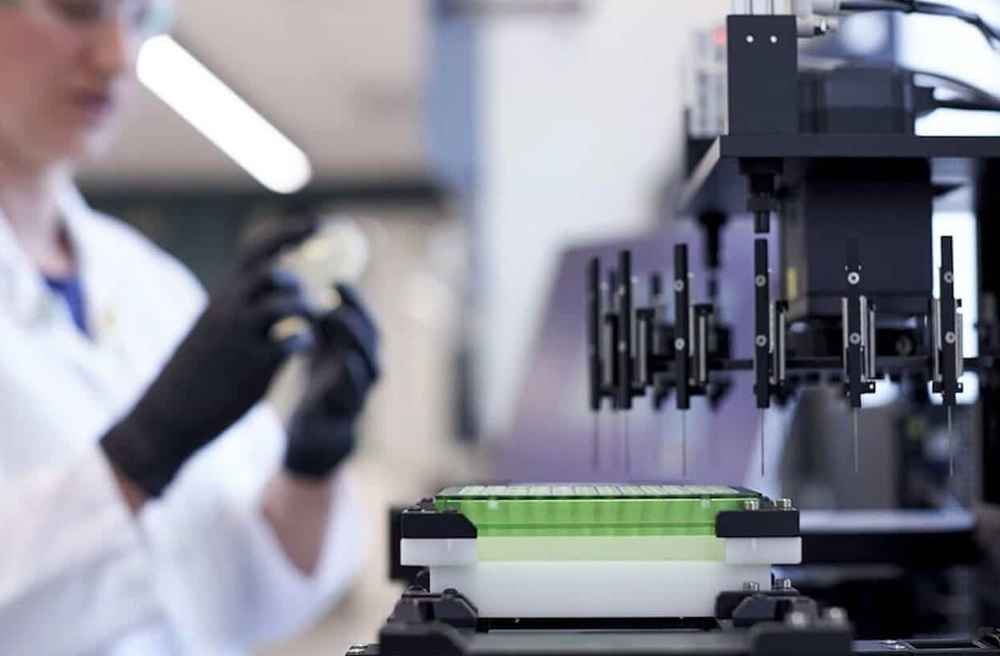
“A company that is doing computational work only would not be able to advance as much as we did,” he said. “You need what’s called today a ‘lab in the loop’. It’s very important for the lab to be part of the development process to validate the results and to get the feedback into the AI pipeline.”
For IBI Ag, the AI-driven approach is intended to expand its pipeline of protein-based insecticides and accelerate new partnerships across the crop protection sector.
“AI is revolutionizing so many aspects in our life,” Heyman said. “Now in research and development, we can do things much faster, much more precise.”














 Facebook
 Twitter
 Instagram
 LinkedIn
 YouTube