

By Janet Kanters
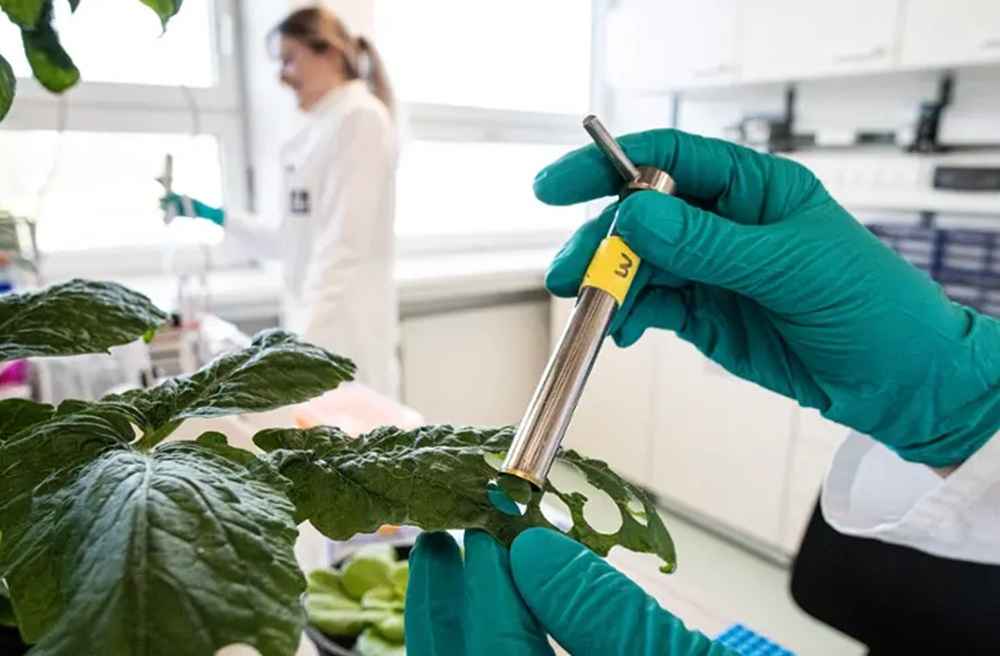
Yara has expanded its Hanninghof Research Centre in Dülmen, Germany, to enhance its ability to develop biological crop solutions that help farmers improve productivity while addressing challenges like climate stress and nutrient efficiency.
Yara says that over the past two decades, demand for biological crop solutions has “grown fivefold.” To keep pace, the company has expanded its laboratory facilities at the Hanninghof Research Centre, a site renowned for its expertise in plant nutrition and environmental agronomy. This expansion is designed to advance the development, validation, and scaling of biological products that complement Yara’s crop nutrition portfolio.
Biologicals, which include specialty nutrition products like YaraVita and biostimulants such as YaraAmplix, play a vital role in Yara’s growth strategy. The company says these solutions enhance nutrient use efficiency, support soil and root health, and help crops better tolerate stress, ultimately leading to higher yields.
“Fertilizers are the food for plants, while biologicals act like vitamins that help them thrive, not just survive,” explains Yara, emphasizing the complementary role of biologicals in crop nutrition.
The expansion of the Hanninghof Research Centre addresses the increasing complexity of biological research. Biologicals, which include microorganisms and biomolecules, interact with plants, soils, and nutrients in intricate ways. To ensure reliable performance, robust research and validation are essential.
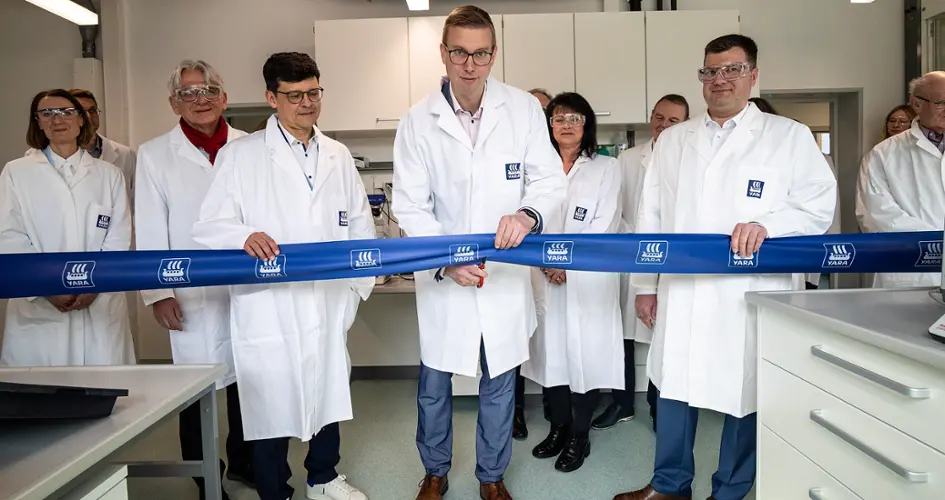
“The expansion at Hanninghof site strengthens our ability to grow in biologicals by building on our core crop nutrition competence,” says Rejane Souza, SVP Global Innovation at Yara. “It reflects our commitment to expanding our offerings for a more resilient crop production,”
The upgraded facilities now include advanced capabilities for microbial development, bio-formulation, and biomolecular analytics. The company says these tools allow researchers to cultivate beneficial microorganisms, develop prototypes, and prepare products for testing and trials.
Dr. Luis Torres, VP Agronomy and R&D at Yara, highlights the importance of these improvements: “The outcome of our work has always been defined by the quality and practical impact driven by our scientific standards. With these new facilities, the new human resources and expertise is now matched by the infrastructure required to improve speed, quality, and reliability.”













 Facebook
 Twitter
 Instagram
 LinkedIn
 YouTube