


SICIT Group has appointed Sergi Barrull as CEO, with plans to expand its international markets, strengthen commercial operations and speed the development of new agricultural biostimulants and industrial products.
Barrull joined the Italy-based company as general manager in July 2025 and succeeds Massimo Neresini, who spent nearly 40 years with SICIT, including about two decades as CEO.
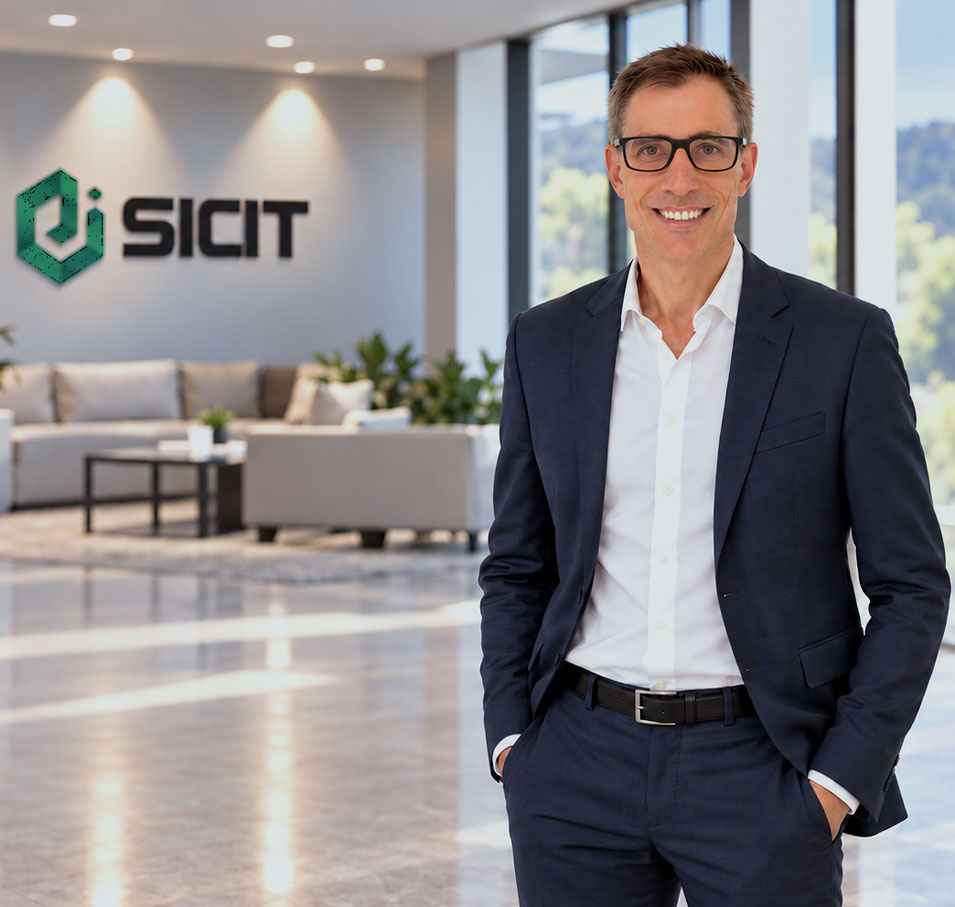
“It is an honour to lead SICIT at such an important moment,” Barrull said. “Massimo and the team have built an exceptional foundation of technical excellence, product quality and sustainability leadership. Our ambition now is to build on that foundation, getting the right solutions to customers faster and taking SICIT into more markets.”
The company plans to build on its established presence in Europe and Asia while accelerating expansion in North and South America through organic growth and targeted acquisitions where appropriate.
SICIT will also focus research and development on areas where it sees clear customer value, with greater emphasis on market needs and locally validated performance data. Its innovation strategy will centre on three technology platforms: collagen-derived peptide fractions, Patagonian seaweed extracts and Moringa-based botanical ingredients.
Barrull brings more than 20 years of experience in consulting, agribusiness and start-up businesses. At Syngenta, he held global and regional leadership positions in crop protection and biocontrols before leading its soybean seeds business in Latin America. He later joined Indigo Agriculture, where he built its microbial products business unit in Europe.
Building on a legacy of circular production
Neresini joined SICIT in 1988 as a chemical engineer and helped develop the hydrolysis technology that established the company’s position in collagen-derived peptides and amino acids.
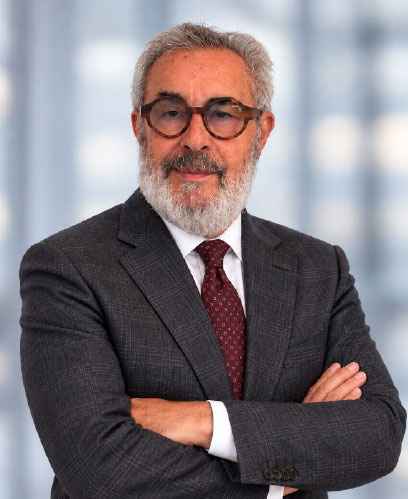
During the 1990s, amid concerns over bovine spongiform encephalopathy (BSE), or mad cow disease, he worked with researchers at the University of Edinburgh to develop a hydrolysis process that demonstrated product safety and met stringent European regulatory requirements.
That technical foundation supported SICIT’s expansion into agricultural biostimulants. Its collagen-based technology produces amino acids and short-chain bioactive peptides, which the company says contribute to the agronomic performance of its products.
Olive trees were the first crop targeted with the technology, followed by adoption across a wider range of crops. SICIT estimates its products are now used on more than 30 million hectares worldwide, with its collagen-based biostimulants also gaining a strong foothold in China and the Asia-Pacific region through partnerships with international agrochemical companies.
Under Neresini’s leadership, SICIT also expanded into industrial applications, developing bio-based amino acids as setting retardants for gypsum and plasterboard manufacturing. The business has established an international presence, particularly in North America, Europe and Latin America.
“Leading SICIT for two decades and being part of this company for nearly 40 years has been the privilege of my professional life,” Neresini said. “I am immensely proud of what our team has achieved, and I am confident that these strong foundations will continue to support SICIT’s future success and growth.”
SICIT develops bioactive ingredients for agricultural biostimulants and industrial retardants, selling in more than 80 countries. The company operates four manufacturing facilities and dedicated research and development laboratories.












 Facebook
 Twitter
 Instagram
 LinkedIn
 YouTube