



Renaissance BioScience Corp. has secured funding from Genome BC to expand its yeast-based RNA interference (RNAi) biopesticide platform to target soil-dwelling crop pests, beginning with wireworms.
The project marks the company’s first effort to adapt its RNAi technology from controlling above-ground insects that feed on plant foliage to pests that live below the soil surface. If successful, the work could broaden the range of insect pests that can be controlled using RNAi biopesticides.
Wireworms, the larval stage of click beetles, are among the most difficult insect pests to manage because they live underground for several years. They attack germinating seeds, seedlings, roots and tubers, causing damage to crops including potatoes, root vegetables, corn and cereals.
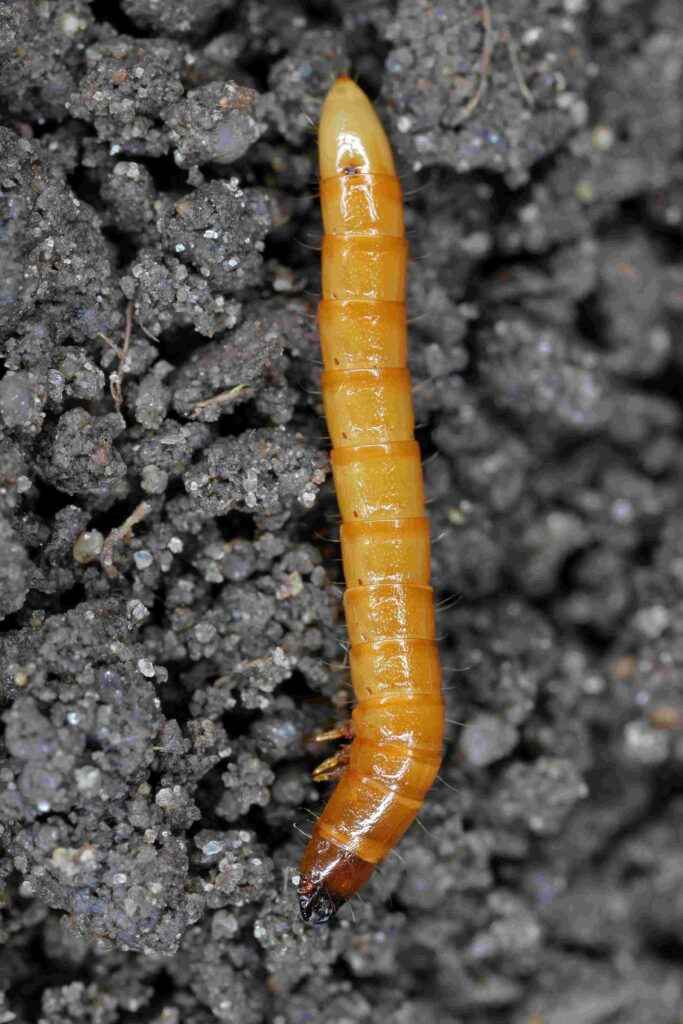
The project will focus on developing an RNAi biopesticide targeting Agriotes wireworm species, which are responsible for significant crop losses in Europe, North America and other major agricultural regions. Researchers aim to identify genes essential for survival that are shared across two Agriotes species, with the goal of developing a single product capable of controlling both.
The project also addresses one of the main challenges of applying RNAi technology below ground. Renaissance said its yeast-based delivery platform, combined with formulation technology, is designed to protect the RNAi molecules in the soil while encouraging wireworms to consume them.
“Wireworms are one of agriculture’s most challenging insect pests because they spend up to five years as larvae below ground, where conventional control options are limited,” said Dr. John Husnik, co-CEO and chief scientific officer of Renaissance BioScience. “Beyond developing a solution for wireworms, this project is strategically important because it will help determine how our yeast-based RNAi platform can be successfully extended from leaf-feeding insects to also target soil-dwelling pests. Wireworms are just the beginning. If we can successfully adapt our technology for below-ground pests, it opens the door to developing precision biopesticides for an entirely new range of economically costly agricultural pests.”
The wireworm initiative builds on the company’s existing RNAi crop protection research aimed at above-ground insect pests. Renaissance believes demonstrating the platform’s effectiveness below ground could support the development of future RNAi products for a wider range of soil-dwelling insects and larvae across multiple crops.
The company said the project also aligns with increasing demand for biological alternatives to conventional chemical insecticides.
“This support from Genome BC recognizes the tremendous potential of precision biological technologies to transform sustainable agriculture, and we appreciate their support and vision,” Husnik said. “Our goal is to provide growers with a new tool for managing wireworms while expanding the capabilities of our yeast platform to address an entirely new category of agricultural pests.”














 Facebook
 Twitter
 Instagram
 LinkedIn
 YouTube